Healthy Holiday Routines: Maintaining Structure, Sleep, and Self-Care When Your Normal Schedule Changes 

Healthy Holiday Routines: Maintaining Structure, Sleep, and Self-Care When Your Normal Schedule Changes
Table of Contents

Key Takeaways: 

  • The holidays often disrupt routine (sleep patterns, mealtimes, activities) and that can especially challenge people in recovery or living with trauma, like veterans and first responders. 

  • Prioritizing consistent sleep, regular physical activity, and mindful eating can help maintain stability and protect mental health during schedule shifts. 

  • Setting boundaries with family/friends and planning ahead (e.g., bringing healthy snacks, scheduling downtime) strengthen resilience against stress, cravings, or emotional triggers.

  • Staying connected and supported (through peers, therapy, recovery groups) and giving yourself permission to stick to self-care are vital even when “normal” structure is gone.

Question: 

How can I keep my healthy routine during the holiday season? 

Answer: 

The holiday season brings joy and connection—but it also disrupts the reliable routines that are particularly important for veterans, first responders, and anyone in recovery from trauma or substance use. Maintaining a predictable structure (regular sleep and wake times, exercise, healthy meals) helps protect mental‐health and recovery gains when schedules shift, meal times get later, travel is involved, and emotional triggers increase. Prioritizing sleep is emphasized as foundational: going to bed and waking up at roughly the same time, avoiding late caffeine or alcohol, and having a calming bedtime routine help prevent mood swings, increased anxiety, and relapse risk. Mindful eating and movement—even when holiday gatherings dominate—support the body’s ability to stay grounded: pre-eating a balanced meal before big events, choosing nutritious options, and finding simple ways to stay physically active.

The holidays can be a wonderful time to reconnect with family and friends, but they can also disrupt the structure that many veterans and first responders rely on to stay grounded in recovery. For those of us living with PTSD or co-occurring substance use disorders, our daily routines—consistent sleep, physical activity, healthy eating, and self-care—aren’t just habits. They’re essential tools that keep our minds and bodies balanced. 

When the season brings unpredictable schedules, holiday food, and emotional triggers, maintaining structure can feel challenging. But with a little planning, flexibility, and self-awareness, it’s possible to enjoy the holidays while protecting your mental health and your recovery. 

Why Routine Matters During the Holidays 

Structure has always been part of the veteran and first responder lifestyle. The military and emergency response fields teach discipline, routine, and accountability. After leaving service, it’s easy to underestimate how important that structure really is. But for many of us, that daily rhythm—waking up early, exercising, eating regular meals, and going to bed on time—helps us manage symptoms of PTSD, anxiety, and depression. 

When the holidays come around, everything changes: meal times, sleep schedules, travel plans, even time zones. Those changes can trigger stress, emotional fatigue, or cravings. That’s why it’s so important to plan ahead—set expectations, prepare for triggers, and give yourself permission to prioritize self-care. 

Even if your normal schedule shifts, keeping certain routines in place—like exercise, healthy meals, and set sleep times—helps you stay focused and in control. 

Looking For Substance Abuse or Mental Health Help?

Get confidential help from our addiction and mental health treatment facilities located across the United States. Call to join one of our quality programs today!

Speak With Our Admissions Team

Prioritizing Sleep and Recovery 

It’s easy to lose track of healthy sleep habits when you’re surrounded by excitement, travel, or late-night gatherings. But sleep is the backbone of recovery and mental health. Lack of rest can worsen mood swings, increase anxiety, and make it harder to manage cravings. 

To maintain your rest this season: 

  • Try to go to bed and wake up around the same time each day. 
  • Avoid caffeine or alcohol late in the evening. 
  • Create a calm bedtime routine—listen to music, stretch, or meditate. 
  • If you can’t sleep, practice deep breathing or grounding techniques rather than reaching for old coping methods. 

Sleep isn’t just rest—it’s recovery for your mind and body. 

Healthy Eating Through the Holidays 

Let’s be honest: holiday food can be a minefield. From endless desserts to heavy meals, it’s easy to fall into unhealthy patterns or use food as a form of comfort. But learning to eat healthy doesn’t mean skipping your favorite dishes—it means practicing mindful eating and making intentional choices. 

If maintaining a healthy weight or avoiding relapse triggers is part of your recovery plan, try these tips: 

  • Plan ahead: Eat a small, balanced meal before a big gathering so you don’t arrive starving. 
  • Choose healthy food options: Fill most of your plate with lean proteins, vegetables, and whole grains before indulging in treats. 
  • Eat slowly and mindfully: Enjoy the flavors, and stop eating when you feel full. 
  • Bring your own dish: Preparing something nutritious ensures there’s at least one option that aligns with your goals. 

Healthy eating supports your body’s ability to manage stress and stabilize mood. It also helps you avoid the sluggishness that often comes with overeating or heavy drinking during holiday celebrations. 

Verify Your Insurance

Looking for quality treatment for substance abuse and mental health that’s also affordable? Aliya Veterans treatment facilities accept most major insurance providers. Get a free insurance benefits check now!

Check Your Coverage​

Staying Active and Physically Grounded 

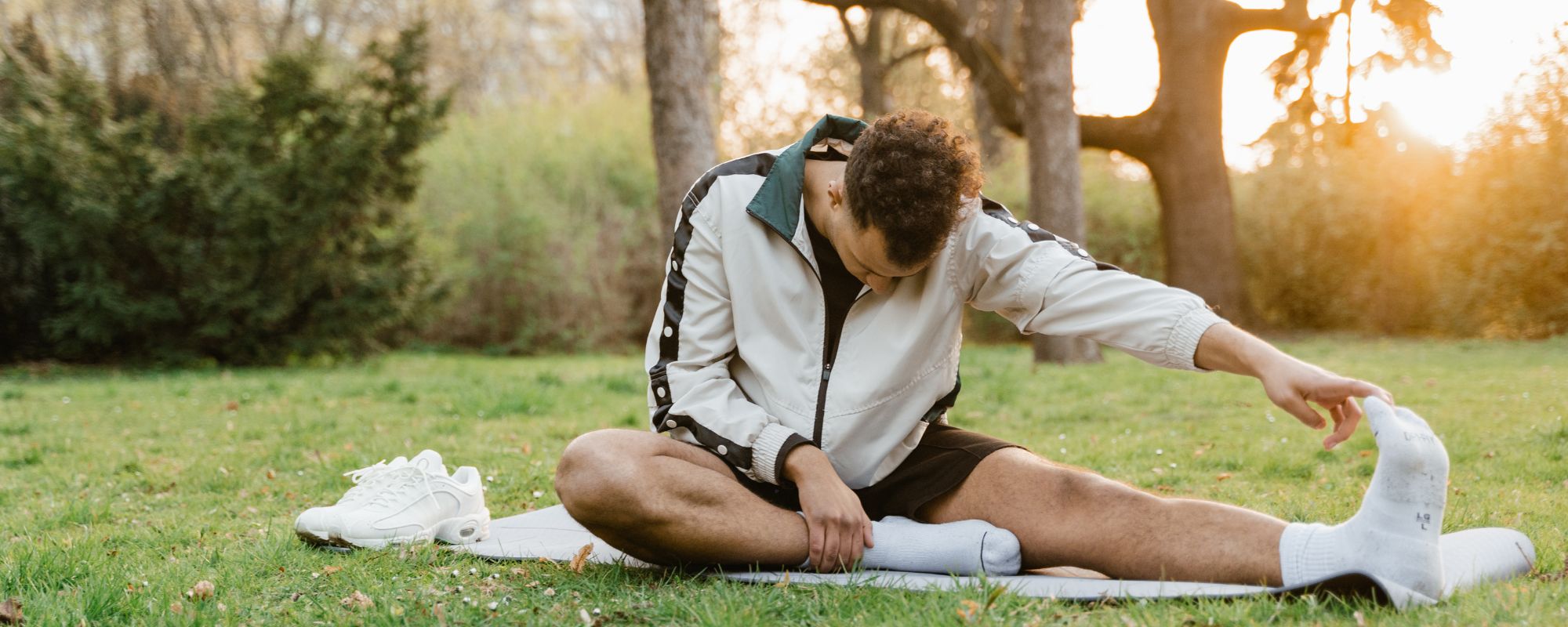
When your schedule gets packed, staying active might fall to the bottom of your list—but regular physical activity is one of the most effective ways to reduce stress, boost mood, and improve sleep. You don’t need a full gym or perfect weather to stay consistent. 

Try incorporating movement wherever you can: 

  • Go for a morning walk or short jog before family events. 
  • Do bodyweight workouts in your hotel room or at home. 
  • Take a few minutes to stretch or practice breathing exercises during downtime. 


Holistic activties like exercise don’t just support your physical health—they improve focus, reduces anxiety, and reinforces your sense of control. It’s also a great way to offset extra holiday eating and maintain a healthy weight without stressing about losing weight. 

Setting Boundaries with Family and Friends 

The holidays often bring together people who haven’t seen each other in a while. That can mean joy and laughter—but also tension, old wounds, or pressure to drink or overindulge. That’s why setting boundaries is crucial for protecting your mental health. 

You don’t owe anyone an explanation for prioritizing your recovery. If someone pressures you to drink, eat more, or stay up late, remember that it’s okay to say no. Boundaries aren’t walls—they’re guardrails that keep you safe. 

If gatherings feel overwhelming, plan ahead to take breaks. Step outside, call a supportive friend, or find a quiet moment to breathe. Let trusted family and friends know ahead of time what helps you stay grounded, and lean on those who respect your recovery journey. 

Planning Ahead for Success 

One of the best ways to manage the holiday season is to plan ahead of time. Map out your schedule, identify potential stressors, and prepare for them before they happen. 

  • Bring your own healthy snacks or drinks to events. 
  • Schedule time for rest and reflection between gatherings. 
  • Keep your recovery meetings or therapy sessions on the calendar. 
  • Set small, achievable goals to keep your focus steady. 

When you take steps ahead of time, you’re less likely to feel blindsided by stress, temptation, or exhaustion. 

Staying Connected and Supported 

The holidays can sometimes amplify feelings of loneliness, especially for veterans and first responders who are used to working through the season or who may feel disconnected from loved ones. Remember: recovery thrives in connection. 

Reach out to your support network—peers, counselors, or recovery groups. Engage with others who understand what you’re going through. Spending time with friends and family who respect your boundaries and support your growth can make a world of difference. 

Finding Balance This Holiday Season 

The holiday season doesn’t have to throw your recovery off course. By planning ahead, prioritizing sleep, eating mindfully, staying active, and maintaining your structure, you can navigate this time with confidence and strength. 

At Aliya Veterans, we understand the unique challenges faced by veterans and first responders living with PTSD and co-occurring substance use. Our trauma-informed programs combine clinical care, peer support, and holistic healing to help you build a recovery plan that works—during the holidays and beyond. 

If you’re struggling this season, reach out for help. You’ve already shown the courage it takes to serve. Now show yourself the same courage by taking care of your mental health and recovery. 

Aliya Veterans is here to help you find balance, structure, and support—one day, one healthy choice at a time. 
David Szarka
Medically Reviewed by David Szarka, MA, LCADC
Written by Aliya Veterans Writers
Evan Gove
Get the help you need to begin your journey to recovery.

Learn More About Addiction, Mental Health, Treatment, & Recovery

Reclaim your strength with tailored support.

You’re committed to serving others. Now, it’s time to prioritize yourself.
Aliya Veterans program offers fully customizable care that respects your service and understands your unique needs and challenges.