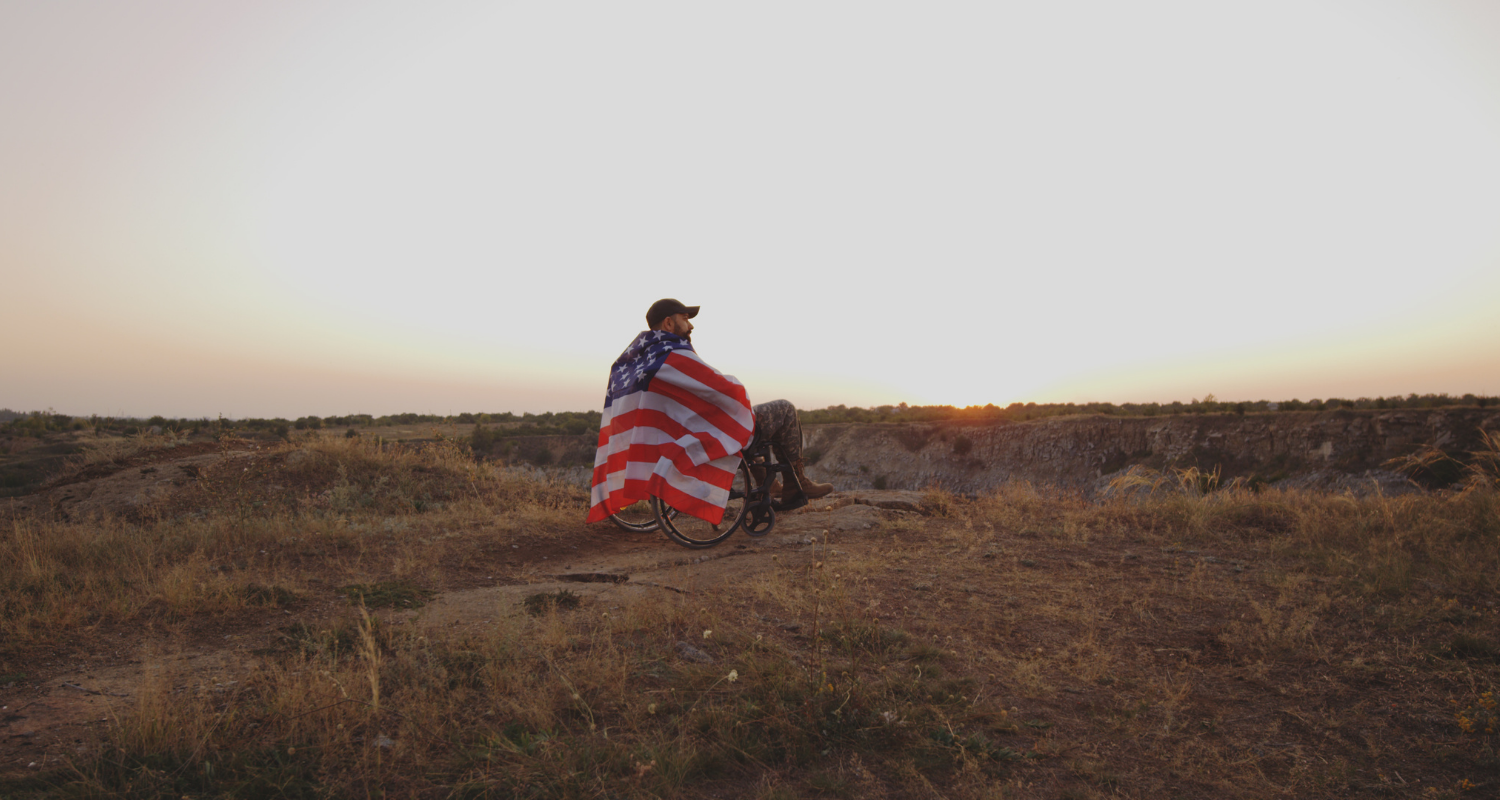
A life of service in the military or in public safety is, by nature, experiential. Enlisting in the service or choosing a vocation as a police officer, firefighter or EMT is a commitment to placing oneself in expected high-stakes situations. It’s a selfless move to put yourself in harm’s way to protect and serve others. But the roles and responsibilities inherent to veterans and first responders make them highly susceptible to developing trauma and stress disorders, more common than in civilians.
Having this background in a direct, problem-solving role is one of many reasons why experiential therapy is such a valuable type of therapy if the stress of unresolved trauma has reached a point where it’s time to seek help. Experiential therapy involves working with others toward a shared, proactive goal — something that any soldier or emergency services professional can relate to.
Learn more about what experiential-based therapy looks like and how it can become an integral part of a PTSD treatment plan.
What Is Experiential Therapy?
Experiential therapy is essentially learning by doing. Through different types of hands-on, immersive experiences, it’s a complementary approach to traditional talk psychotherapy meant to treat mental health and help your personal growth.
Most experiential therapies are physically and emotionally charged and activity-based. You might participate in outdoor wilderness therapy adventure challenges, role playing, creative arts, music or even working and bonding with animals, to name a few. Many activities are group-based, calling for the same type of interaction, cooperation and teamwork familiar to anyone who’s served in a battalion, squadron or unit.
Research shows us that as a treatment for many disorders, including trauma, experiential therapies become a lifeline to “effectively process and heal from past experiences by changing their emotional response to a particular event or relationship,” according to a study — even traumatic experiences someone has been carrying with them for months, even years.
A goal of any experiential therapy is that by focusing on a task or activity at hand, you’re able to become more attuned and aware to the subconscious feelings and beliefs that can shape your perceptions of you and the world around you, and influence negative thinking, emotions and behaviors. Through the positive, productive aspect of therapy, you can work to turn those around, reframe your mindset, emotions and actions, and promote change and growth.
Experiential Therapy Groups
Experiential groups working as a team might venture into a number of different types of experiential therapy activities:
- Hiking and nature walks: Traversing out onto a trail or hiking path as part of nature therapy reconnects you with the sights, sounds and beauty of a natural environment, keeping you grounded, your nervous system calmed, so important if you struggle with the effects of hypervigilance.
- Kayaking: PTSD can keep the mind rooted in the past, where traumatic memories stay front and center even when the danger has long passed. Kayaking out on a lake or river helps to focus attention and the mind on the present to counteract dissociation attached to trauma. Plus, it’s a trust-building exercise when rowing with a partner.
- Indoor rock climbing: As you climb and climb, looking for the next foothold and maintaining each grip, you’re relying on your inner and outer strength to surmount the wall. Working with your belayer (a partner who works the ropes to prevent falls), you’re placing trust in someone else and trusting yourself as you journey from bottom to top.
But another tangible and obvious benefit of experiential therapy is simply the act of getting and doing something physical, proactive and positive. It’s often great exercise, sometimes it’s all that’s needed to get your heart pumping, boost those feel-good endorphins and elevate your mood.
How Can Experiential Therapy Help Veterans and First Responders?
Trauma can leave an indelible imprint on the mind. It can begin through symptoms like intrusive memories, nightmares, flashbacks, distressing emotions and avoidance (intentional or unintentional) of people, places or situations that remind too painfully of a traumatic memory. It can also lead to negative alterations to one’s cognition, mood and behavior.
Together, they may create a feeling of detachment from the activities you once enjoyed (also commonly symptomatic of depression). Experiential therapies are meant to mend these lapsed connections that may have fallen by the wayside.
Remember that experiential therapy has proven, effective therapeutic benefits. Think about some of the other ways that experiential-based therapy can help if you’re a veteran or first responder:
- Goal-setting and problem-solving: Successfully navigating a trailhead or reaching a summit delivers an undeniable sense of accomplishment that bolsters confidence in the here and now. Setting real, workable and achievable goals and using active problem-solving to achieve them, you determine where the experience goes, you tap into the same skills that define what being a soldier or law enforcement officer are about. And you’re directly rebuilding the motivation and initiative-taking that trauma can erode.
- Trust and peer support: Doubt in yourself, others and the world is an all-too-common trauma symptom. Trauma-focused experiential therapy takes this into deep account by partnering together people with the same recovery goals in sight. Working with others in a shared way — anything from a service project to a group hike — needs communication and having each other’s backs. It’s a powerful, poignant dynamic that can breaks down isolation, build trust and forge meaningful connections.
- Resilience and physical wellness: Experiential therapy activities call for you to harness a resolve, a resilience to overcome challenges, adversity, capability and strength, especially in more rigorous tasks — qualities familiar to anyone who has served in the Armed Forces or public safety. You build physical strength as well as mental and emotional fortitude, creating an important link between your efforts and outcomes.
- Present-moment focus: The present moment is all that matters, and an experiential therapy activity is the perfect place to express this, where you can place your full, undivided attention on a given task. It might call for the intent focus of wilderness therapy or nature-based therapy, or the gentle attention working with an equine therapy horse — a mindfulness that, when you start to cultivate it, can interrupt and lessen intrusive thoughts often inherent to trauma.
What To Expect in Experiential Therapy
It’s likely you might already be immersed in talk therapy for trauma, and you and your therapist have mutually agreed that experiential therapy would be an ideal complement. Say it’s your first time at an outing with others in recovery. It’ll be led by a facilitator trained in the activity itself and its role in mental health healing. Whether it’s a group hike or a climbing session at an indoor gym, they may introduce specific challenges like wilderness skills designed to get you and your peers to rely on teamwork, use your problem-solving skills and tap into your own inner motivation.
Therapy is always in the context of a safe, non-judgmental space, so there’s no reason to be afraid to be vulnerable and process your feelings. It’s afterwards — in the reflection that follows — that some of the most important breakthroughs happen in experiential therapy. It’s when your therapist guides you to connect those feelings, and the challenges you just faced, to some of the traumatic situations that may affect you.
It’s here that you have a chance to translate these immediate, urgent lessons you’ve learned in the moment into actionable insights for everyday life, mirroring the purpose-driven nature of experiential therapy.
Experiential Therapy at Aliya Veterans
Aliya Veterans began from a need that could not be ignored. Our vets and first responders require specialized treatment and programs that understand their priorities and their mental health and addiction issues that sometimes arise from their life path, and that, for many service members, healing happens through action.
Action is exactly why we hope the experiential therapy programs we offer will resonate with you or a loved one who can benefit from treatment after being exposed to military or emergency response stress and trauma. We believe 100% in our clinical philosophy that a compassionate, comprehensive approach is the clearest path to recovery — where behavioral therapy can, and should, go hand-in-hand with holistic therapy and experiential practice. We stand by you that with our help, you can become stronger, healthier and live the best life you deserve.
Recover from Addiction Through Experiential Therapy
Experiential psychotherapies, such as arts therapy, equine-assisted therapy, music therapy, and play therapy, have proven to be effective in treating veterans with co-occurring PTSD and substance abuse by addressing trauma in ways that traditional talk therapy may not fully achieve. These forms of experiential therapy allow for creative expression, helping veterans process their experiences and emotions in non-verbal, impactful ways.
Rehabilitation programs that incorporate experiential therapists often integrate family systems and family therapy to rebuild relationships and address behavior disorders stemming from trauma. By combining experiential approaches with research-based methods like cognitive therapy and cognitive behavioral therapy, veterans can explore patterns of change, develop anger management skills, and find new ways to heal. These therapies foster a holistic approach to treating trauma, offering veterans a path to recovery that is both transformative and deeply personal.
What questions do you have about experiential therapy or recovering from PTSD with Aliya Health Group? Our admissions team is on call, 24/7/365 to help, so call us or fill out our secure, confidential contact form. We can explain the treatment process, how PTSD can be helped, how we tailor programs for vets and first responders at our treatment center and also verify insurance/cost details. Make recovery a priority and reach out to us today.
- How Common is PTSD in Veterans? – PTSD: National Center for PTSD
- Experiential Therapy | Psychology Today
- Wilderness adventure therapy effects on the mental health of youth participants – PubMed
- Experiential therapy | EBSCO Research Starters
- Post-traumatic stress disorder (PTSD) – Symptoms and causes – Mayo Clinic