Trauma can leave a person with lasting emotional and psychological scars for years. For many, these show up as anxiety, depression, nightmares, emotional outbursts, or a sense of feeling lost, stuck in the past. Fortunately, healing is possible—and one of the most effective paths forward is Trauma-Focused Cognitive Behavioral Therapy (TF-CBT).
Unlike traditional forms of therapy, TF-CBT combines cognitive-behavioral techniques with trauma-informed strategies that help patients not just cope, but truly heal. Whether you’re a parent supporting a child through trauma or an adult looking to reclaim your peace of mind, TF-CBT offers structure, support, and real results.
In this article, we’ll explore what TF-CBT is, how it works, who it helps, and why it’s considered a gold-standard treatment for trauma. You’ll also learn how it compares to traditional CBT, what to expect in therapy, and how to access it—whether through rehab programs or insurance coverage.
What Is Trauma-focused Cognitive Behavioral Therapy (TF-CBT)?
Trauma-Focused Cognitive Behavioral Therapy (TF-CBT) is a form of CBT that (as per the name) focuses on trauma. It is an research-based treatment approach designed to help children, adolescents, and their families. TF-CBT integrates the principles of cognitive behavioral therapy (CBT) with trauma-sensitive interventions to address the emotional and psychological needs of individuals who have experienced trauma.
It was originally developed to treat children who had been sexually abused, but has since expanded to include a wide range of traumatic experiences, including physical abuse, domestic violence, traumatic loss, natural disasters, and other forms of emotional trauma. The model was developed by Drs. Judith Cohen, Anthony Mannarino, and Esther Deblinger and has been extensively researched and supported by empirical evidence.
What Is Trauma?
Trauma refers to the psychological and emotional response to an event or series of events that are deeply distressing or disturbing. These events might include abuse, neglect, violence, loss of a loved one, serious accidents, or natural disasters. When a person is unable to psychologically absorb their feelings regarding these events, trauma is the result. Trauma can overwhelm an individual’s ability to cope, leading to intense fear, helplessness, or feelings of horror—especially in children whose brains are still developing.
Trauma is not defined by the event itself but by how the individual reacts to it. What may be traumatic for one person may not be for another, depending on factors like age, developmental level, support systems, and previous experiences.
How Does Trauma-informed Therapy Help?
Trauma-informed therapy focuses on creating a safe and supportive environment where individuals feel empowered to explore their experiences without judgment. It recognizes the widespread impact of trauma and seeks to avoid re-traumatization by promoting trust, choice, and collaboration.
Trauma-informed care helps patients:
- Develop coping skills and emotional regulation
- Process and reframe traumatic memories
- Build resilience and a sense of control
- Improve interpersonal relationships and communication
By understanding how trauma affects the brain and behavior, therapists can tailor interventions to support healing at a pace that feels manageable for the individual.
Trauma-focused Cognitive Behavioral Therapy vs Cognitive Behavioral Therapy
While both trauma-focused cognitive-behavioral therapy and traditional CBT aim to change unhelpful thought patterns and behaviors, TF-CBT is specifically adapted for individuals who have experienced trauma.
Here are the key differences:
TF-CBT:
- Targets trauma-specific symptoms
- Includes trauma narrative and processing
- Incorporates caregivers (especially in pediatric cases)
- Emphasizes education about trauma
CBT:
- Focuses on general mental health concerns, not just trauma
- Does not typically involve trauma-processing
- May not involve family participation
- Focuses on education around cognitive distortions and behavior change
TF-CBT is structured to be sensitive to the needs of trauma survivors, with a strong emphasis on safety, gradual exposure, and skill-building.
How Does Trauma-focused Cognitive Behavioral Therapy Work?
TF-CBT is typically delivered over 12–25 sessions and includes both the individual (often a child or teen) and their caregiver(s), depending on the case. Treatment is structured, with each session building on previously learned skills and concepts.
According to the PRACTICE model of TF-CBT, here are the key components:
- Psychoeducation: patients learn about trauma and common reactions to it, helping normalize their feelings.
- Parenting Skills: Caregivers are taught effective strategies to support their child’s recovery.
- Relaxation: Breathing techniques, muscle relaxation, and mindfulness exercises help regulate the body’s stress response.
- Affective Modulation: patients learn to identify, express, and manage their emotions.
- Cognitive Coping: Introduces the connection between thoughts, feelings, and behaviors.
- Trauma Narrative: patients gradually recount their trauma to reduce its power and desensitize emotional responses.
- Cognitive Processing: Therapists help challenge and reframe unhealthy or distorted trauma-related beliefs.
- In Vivo Exposure: If applicable, patients face avoided situations or reminders of the trauma in a safe, therapeutic context.
- Conjoint Parent-Child Sessions: Caregivers and children process the trauma together and rebuild trust.
- Enhancing Safety and Development: Sessions focus on future goals, safety planning, and reinforcing progress.
What Are the Goals of TF-CBT?
The main goal of TF-CBT is to help the client heal from trauma. TF-CBT equips both patients and caregivers with tools to reduce trauma-related symptoms and restore healthy functioning.
Key goals of TF-CBT include:
- Processing and resolving trauma-related thoughts and emotions
- Reducing symptoms of PTSD, anxiety, depression, and behavioral problems
- Building emotional regulation and coping skills
- Improving family communication and relationships
- Restoring a sense of safety, trust, and self-worth
- Preventing re-traumatization and promoting long-term resilience
TF-CBT is both symptom-focused and skills-based, helping individuals move from survival mode to a place of empowerment and recovery.
What to Expect in TF-CBT
TF-CBT typically involves 12 to 25 structured sessions delivered weekly or biweekly. Therapy sessions can be individual or include a caregiver, especially in treatment for children or adolescents. Each session builds upon the last, gradually helping the client gain tools for healing and emotional strength.
Here’s what you can expect:
- A collaborative and safe environment where the client feels heard and supported
- Education about trauma, its effects, and the treatment process
- Skill-building exercises in relaxation, emotional regulation, and healthy thinking patterns
- Trauma narrative creation, which helps patients process and gain mastery over their traumatic experiences
- Family or caregiver involvement, when appropriate, to improve communication and support at home
- A focus on safety, goal setting, and building a strong foundation for the future
The therapist will tailor each step to the client’s developmental level, trauma history, and emotional readiness.
What Does Trauma-focused Cognitive Behavioral Therapy Treat?
TF-CBT is a highly effective treatment for a range of trauma-related conditions. While it was originally developed for children who had experienced sexual abuse, research has shown that TF-CBT can be effective for individuals who have experienced many different types of trauma.
TF-CBT may be used to treat trauma related to:
- Physical, emotional, or sexual abuse
- Domestic violence
- Loss of a loved one or traumatic grief
- Community or school violence
- Natural disasters
- Neglect
- Refugee or war-related trauma
- Medical trauma
- Traumatic separation from caregivers
- Witnessing a traumatic event
It is also increasingly used as part of co-occurring treatment plans for individuals struggling with both trauma and substance use disorders.
TF-CBT for Substance Abuse
Many individuals turn to drugs or alcohol as a way to numb or escape the pain of unresolved trauma. Trauma-Focused Cognitive Behavioral Therapy (TF-CBT) can play a vital role in addiction recovery by addressing the root causes behind substance use. TF-CBT helps individuals identify how trauma has shaped their beliefs, behaviors, and emotional responses—giving them healthier tools for coping.
By integrating TF-CBT into a substance abuse treatment plan, patients can:
- Reduce trauma-related triggers that lead to relapse
- Challenge negative thought patterns that fuel addiction
- Develop emotional regulation and self-soothing strategies
- Build resilience and restore a sense of control
TF-CBT works especially well in programs that offer dual diagnosis treatment, where both trauma and addiction are addressed together in a supportive, structured environment.
TF-CBT for Mental Health Disorders
Unresolved trauma is closely linked to a wide range of mental health disorders—including depression, anxiety, PTSD, and dissociation. TF-CBT is uniquely designed to treat these conditions by helping patients process distressing experiences while learning to manage symptoms in the present.
With TF-CBT, individuals can:
- Break free from avoidance, flashbacks, or emotional numbing
- Replace fear-based or shame-based thinking with more accurate beliefs
- Strengthen self-esteem and improve mood
- Learn how to feel safe and grounded again
TF-CBT is often part of treatment plans for both children and adults experiencing trauma-related symptoms, especially in clinical settings such as outpatient therapy, residential treatment, or PHP/IOP programs.
TF-CBT for Co-Occurring Disorders
A co-occurring disorder is when a person experiences both an addiction and mental health issue at the same time. When trauma coexists with substance abuse, treatment must be comprehensive and integrated. TF-CBT is highly effective for individuals with co-occurring disorders, as it addresses trauma at its core while also supporting recovery from addiction and managing mental health symptoms.
In a trauma-informed, dual diagnosis setting, TF-CBT helps patients:
- Understand how trauma contributes to both emotional instability and substance use
- Learn how to safely process traumatic memories without being overwhelmed
- Reduce harmful behaviors and replace them with healthier coping strategies
- Improve treatment engagement and long-term outcomes
By treating the whole person—not just isolated symptoms—TF-CBT supports lasting recovery for those facing the complex challenges of co-occurring disorders.
Trauma-focused Cognitive Behavioral Therapy for PTSD
Post-Traumatic Stress Disorder (PTSD) is a mental health condition that can develop after exposure to a traumatic event. TF-CBT is a widely used and research-backed approach for treating PTSD, especially in children, adolescents, and young adults, but its principles are also being adapted and applied in adult care, particularly for veterans and individuals with complex trauma histories.
TF-CBT helps individuals with PTSD by:
- Teaching emotional regulation and grounding skills
- Addressing distorted trauma-related thoughts and beliefs
- Gradually processing traumatic memories through the trauma narrative
- Reducing avoidance behaviors that reinforce fear and anxiety
- Improving interpersonal functioning and rebuilding a sense of safety
Whether PTSD stems from childhood abuse, combat exposure, or another traumatic experience, TF-CBT provides a structured pathway toward healing by combining cognitive, emotional, and behavioral strategies.
How Does TF-CBT Help Veterans Process Trauma?
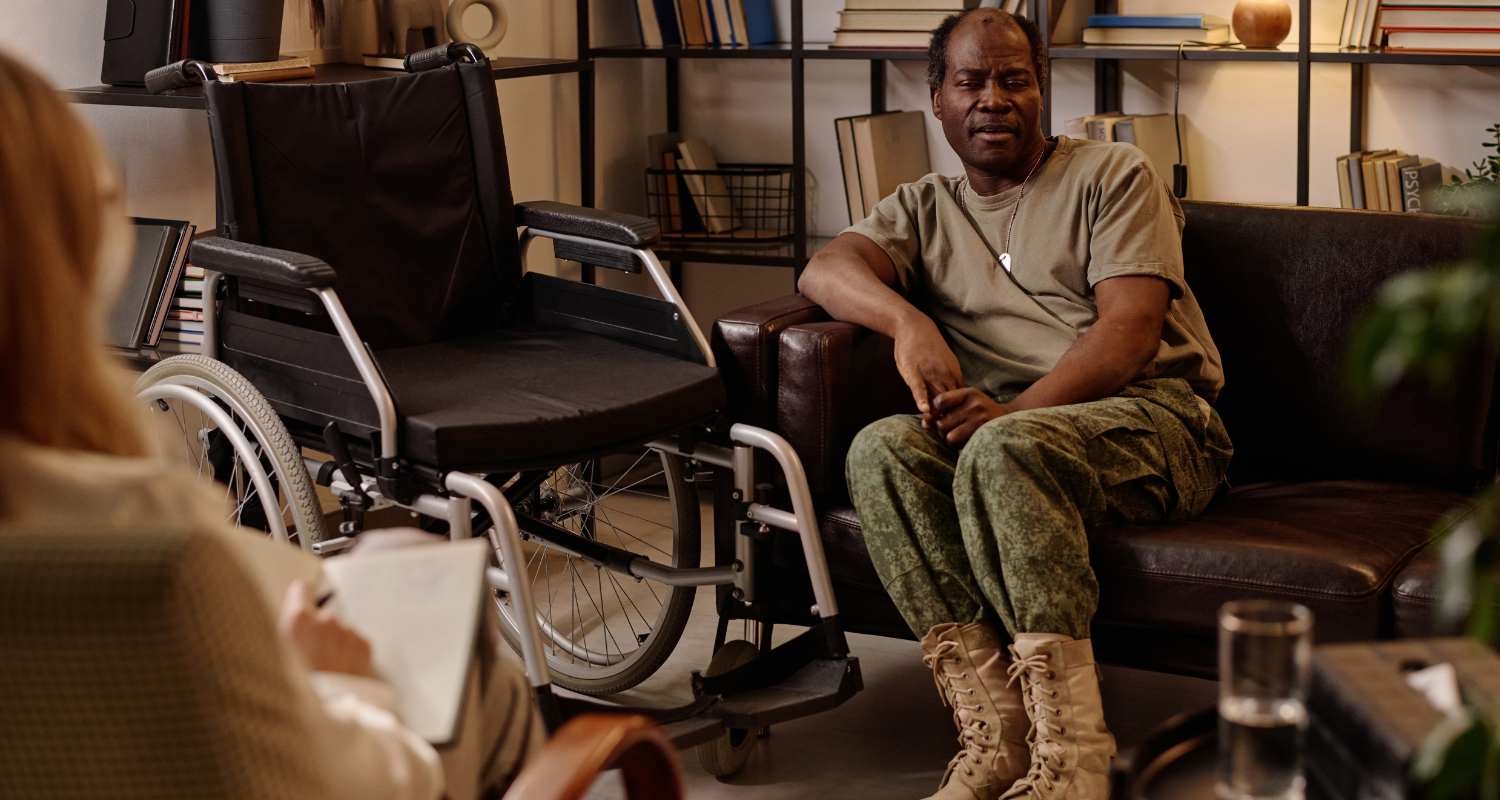
Veterans often carry complex trauma from their military service, including combat exposure, loss of comrades, moral injury, and military sexual trauma. TF-CBT can be a valuable tool in helping veterans make sense of these experiences and reclaim a sense of control.
How TF-CBT supports veterans with PTSD:
- Provides a structured and predictable process, which can be reassuring for individuals used to military order and discipline.
- Normalizes trauma responses, reducing stigma and self-blame that are common among veterans.
- Helps break down avoidance—a hallmark of PTSD—by gradually introducing trauma memories in a safe therapeutic space.
- Encourages emotional expression and processing, especially around anger, guilt, grief, or shame.
- Strengthens family and support systems, when caregivers or loved ones are involved in therapy.
While therapies like CPT and EMDR are also widely used with veterans, TF-CBT offers an accessible, skill-based approach that’s especially helpful for those who need to first stabilize emotionally before diving deeper into trauma work.
What Are the Benefits of Trauma-focused Cognitive Behavioral Therapy?
TF-CBT offers a wide range of emotional, psychological, and behavioral benefits to those recovering from trauma. Whether the trauma is recent or long past, this therapy helps individuals move beyond survival mode and into a place of empowerment.
Key Benefits of TF-CBT:
- Reduces PTSD Symptoms: TF-CBT has been shown to significantly decrease intrusive thoughts, nightmares, flashbacks, and hypervigilance.
- Improves Emotional Regulation: patients learn how to manage intense emotions like fear, anger, and sadness without shutting down or lashing out.
- Builds Healthy Coping Skills: Through relaxation training, cognitive reframing, and structured processing, individuals develop practical tools they can use in daily life.
- Reframes Negative Beliefs: TF-CBT helps identify and correct unhelpful or distorted thoughts related to safety, trust, self-worth, and control.
- Enhances Self-Esteem and Resilience: As patients process trauma and gain control over their emotions, their confidence grows, helping them feel more capable and empowered.
- Improves Relationships: Whether through direct caregiver involvement or indirect improvements in communication and trust, TF-CBT often leads to stronger interpersonal bonds.
- Restores a Sense of Safety: Trauma often shatters an individual’s basic sense of safety in the world. TF-CBT helps rebuild that foundation gradually and gently.
- Prevents Long-Term Mental Health Issues: Early intervention with TF-CBT can reduce the risk of developing chronic depression, anxiety disorders, or substance use later in life.
In short, TF-CBT not only addresses trauma symptoms but also promotes long-term growth, emotional stability, and healthier relationships—with oneself and others.
How Effective is TF-CBT?
Trauma-Focused Cognitive Behavioral Therapy is one of the most extensively researched treatments for trauma-related disorders, particularly in children and adolescents—but it has also proven effective across age groups. Decades of clinical studies and real-world outcomes show that TF-CBT significantly reduces symptoms of PTSD, depression, anxiety, and behavioral problems related to trauma.
Research-backed stats about TF-CBT:
- 86% of children and adolescents show significant improvement in PTSD symptoms after completing TF-CBT.
- Results are often sustained long after treatment ends, with patients continuing to experience reduced trauma-related distress over time.
- TF-CBT is recognized by organizations such as the American Psychological Association (APA) and the Substance Abuse and Mental Health Services Administration (SAMHSA) as an research-based treatment.
Its structured, skill-building approach helps individuals not only recover from trauma but also gain tools for future resilience.
Can TF-CBT Help Me?
If you’ve experienced trauma—whether recent or long ago—and you’re struggling with emotional, behavioral, or psychological symptoms, TF-CBT may be a powerful tool for your healing.
TF-CBT may be right for you if you:
- Have intrusive memories, flashbacks, or nightmares related to a traumatic experience
- Feel overwhelmed by anxiety, anger, guilt, or shame
- Avoid people, places, or situations that remind you of the trauma
- Struggle with relationships or emotional closeness
- Experience depression or loss of motivation
- Are a parent or caregiver of a child showing trauma-related symptoms
TF-CBT is adaptable to different age groups and types of trauma. Whether you’re a veteran, a survivor of abuse, or someone who has experienced grief or violence, TF-CBT offers practical tools, a clear roadmap, and emotional support to guide you through recovery.
Tips for Successful Trauma-focused Cognitive Behavioral Therapy
Starting trauma therapy for the first time can feel intimidating—but knowing what to expect and how to engage can make the process smoother and more effective.
Here are some helpful tips for getting the most out of your TF-CBT experience:
- Be patient with yourself: Healing from trauma takes time. Progress can be slow and often not linear, but is nonetheless meaningful. Celebrate every milestone you pass, no matter how seeingly small (they are not small).
- Practice the skills outside of therapy: Techniques like relaxation, thought reframing, and emotion identification work best with consistent practice between sessions.
- Be honest, even if it’s uncomfortable: Your therapist is there to support—not judge—you. Open communication helps guide your treatment.
- Stay consistent with appointments: Regular attendance helps you build momentum and maintain emotional continuity.
- Use a journal or notebook: Writing down thoughts, reactions, and insights can deepen your self-awareness and track progress.
Talk to your therapist about doubts or concerns: If something feels off or overwhelming, speak up. TF-CBT is flexible and can be adjusted to your pace.
Is TF-CBT Covered by Insurance?
Yes, Trauma-Focused Cognitive Behavioral Therapy is often covered by insurance, especially when provided by a licensed mental health professional within a rehab or behavioral health treatment center. If TF-CBT is part of a larger program, such as residential treatment, outpatient care, or dual diagnosis rehab, TF-CBT therapy sessions are typically included under mental health or behavioral health coverage.
Here are some key things to know when it comes to insurance coverage:
- Most private insurance plans, Medicaid, and Medicare include behavioral health services, such as individual therapy, family therapy, and trauma-focused care.
- Many treatment centers verify insurance before admission and can help you understand what services are included.
- Coverage may depend on your diagnosis, provider network, and level of care (e.g., inpatient, PHP, IOP).
- Out-of-network options may still offer partial reimbursement, depending on your plan.
- If you’re in rehab for substance use disorder, and trauma is identified as a contributing factor, TF-CBT may be included in your treatment at no extra cost.
Before starting treatment, it’s a good idea to contact your insurance provider or ask the rehab center to verify your benefits. Many facilities offer free insurance verification to help streamline the process.
- Trauma-Informed Therapy – StatPearls – NCBI Bookshelf (nih.gov)
- Trauma-Focused Cognitive Behavioral Therapy: Assessing the Evidence – PMC (nih.gov)
- Trauma-focused Cognitive Behavioral Therapy | SAMHSA
- Trauma-focused Cognitive Behavior Therapy for Traumatized Children and Families – PubMed (nih.gov)
- Patricia A. Resick | Duke Department of Psychiatry & Behavioral Sciences
- Effectiveness of Cognitive Processing Therapy for PTSD in serious mental illness – ScienceDirect
- Cognitive-behavioral therapy for anxiety disorders: an update on the empirical evidence – PMC
- Cognitive Processing Therapy for PTSD – PTSD: National Center for PTSD
- A meta-analytic review of cognitive processing therapy for adults with posttraumatic stress disorder – PubMed
- A meta-analytic review of cognitive processing therapy for adults with posttraumatic stress disorder – PubMed
- Mental health and substance abuse health coverage options | HealthCare.gov
- Cognitive Behavioral Therapy (CBT) for Treatment of PTSD
- Trauma-Focused Cognitive Behavioral Therapy (TF-CBT) | SAMHSA