Key Takeaways:
- PTSD Awareness Month’s Importance: Held in June, it educates the public about PTSD, reduces stigma, and encourages veterans to seek professional support, emphasizing that recovery is possible.
- Common PTSD Symptoms: Veterans may experience emotional symptoms like anxiety, depression, and survivor’s guilt, as well as physical symptoms like insomnia, flashbacks, and substance use.
- Barriers to Treatment: Stigma, misconceptions about recovery, and military culture often prevent veterans from seeking help, but awareness campaigns normalize treatment and highlight effective therapies.
- Aliya Veterans’ Support: Aliya Veterans offers trauma-informed care, evidence-based therapies, and holistic wellness practices tailored to veterans, including residential and outpatient programs.
Question:
When is PTSD awareness month?
Answer:
June is PTSD Awareness Month, a time to educate the public about post-traumatic stress disorder and its impact on veterans and their families. Awareness campaigns reduce stigma, encourage open conversations, and highlight that PTSD is treatable. Veterans often face unique challenges, including combat trauma and emotional suppression, which increase their risk of PTSD. Symptoms range from anxiety and depression to flashbacks and substance use. Unfortunately, stigma and misconceptions about recovery prevent many from seeking help. PTSD Awareness Month promotes evidence-based treatments like EMDR, CBT, and group therapy, offering hope for recovery. Aliya Veterans provides specialized care for veterans, including trauma-informed therapies, holistic wellness practices, and support for co-occurring conditions like addiction. Their programs, ranging from residential treatment to outpatient care, empower veterans to heal and rebuild their lives. PTSD Awareness Month reminds us that recovery is possible, and no veteran has to face trauma alone.
June is recognized as PTSD Awareness Month, and June 27 is PTSD Awareness Day. For veterans, first responders, and families impacted by trauma, this month is more than a date on the calendar. It is a reminder that trauma can affect the mind, body, relationships, and daily life long after danger has passed.
PTSD Month helps bring post-traumatic stress disorder into open conversation. Awareness campaigns can reduce stigma, correct harmful myths, and encourage veterans to seek professional support before symptoms become overwhelming. For many families, education also brings relief because it helps explain behaviors that may have felt confusing, distant, or painful.
Most importantly, PTSD Awareness Month carries a message of hope: PTSD is treatable, and recovery is possible. With the right care, veterans can learn to manage trauma symptoms, rebuild trust, and move toward a fuller life.
What Is PTSD Awareness Month?
PTSD Awareness Month is a national effort held every June to educate the public about post-traumatic stress disorder, trauma symptoms, and treatment options. It is especially important for communities connected to military service, emergency response, law enforcement, and other high-stress roles.
During PTSD Month, veterans’ groups, mental health providers, advocacy organizations, and families often share educational resources, host awareness events, and promote access to support. These efforts help people understand that PTSD is not a character flaw or personal weakness. It is a mental health condition that can develop after exposure to trauma.
PTSD affects millions of Americans, including many veterans and first responders. Military service members may experience combat trauma, repeated exposure to danger, loss of fellow service members, moral injury, or prolonged stress in high-pressure environments. These experiences can leave lasting effects, even years after service ends.
For veterans who want to better understand symptoms and treatment, Aliya Veterans offers information about post-traumatic stress disorder treatment and trauma-related conditions.
Why PTSD Awareness Matters for Veterans
PTSD awareness matters because many veterans live with symptoms in silence. Some may not recognize their experiences as PTSD. Others may know they are struggling but feel unsure about asking for help.
Veterans often face a higher risk of PTSD because military service can involve:
- Combat exposure
- Military sexual trauma
- Repeated life-threatening events
- Loss of fellow service members
- High-alert environments
- Long separations from family
- Difficulty transitioning back to civilian life
Untreated PTSD can affect both mental and physical health. It may contribute to chronic anxiety, depression, sleep problems, headaches, digestive issues, high stress levels, relationship strain, and substance use. Over time, trauma can shape the way a person thinks, feels, connects, and responds to everyday situations.
Stigma remains one of the biggest barriers to care. Many veterans were trained to stay composed under pressure, push through pain, and protect others before themselves. Those qualities can be strengths, but they can also make it hard to admit when support is needed.
PTSD Month helps challenge the idea that seeking treatment is a sign of weakness. In truth, reaching out for help takes courage, self-awareness, and commitment to healing.
Common PTSD Symptoms Veterans Experience
PTSD can look different from one person to another. Some veterans have intense symptoms soon after trauma. Others may feel “fine” for months or years before symptoms begin to surface.
Emotional and Psychological Symptoms
Veterans with PTSD may experience:
- Anxiety or panic attacks
- Hypervigilance, or feeling constantly on guard
- Depression or hopelessness
- Emotional numbness
- Anger or irritability
- Survivor’s guilt
- Shame or self-blame
- Trouble feeling safe, even in calm settings
Some people notice what others may describe as “PTSD eyes” or a “PTSD stare.” These are not clinical diagnoses, but they may refer to moments when a person seems distant, frozen, intensely alert, or emotionally disconnected. These reactions can happen when the nervous system is overwhelmed or when the mind is pulled back into a traumatic memory.
PTSD can also involve intrusive thoughts, intense fear, or feeling detached from reality during flashbacks. In rare and severe cases, trauma symptoms may overlap with symptoms that look like PTSD psychosis, such as paranoia or hearing or seeing things others do not. When this happens, professional support is especially important.
Physical and Behavioral Symptoms
PTSD does not only affect thoughts and emotions. It can also affect sleep, energy, habits, and relationships.
Common physical and behavioral symptoms include:
- Nightmares or insomnia
- Flashbacks
- Intrusive memories
- Avoiding reminders of trauma
- Isolation from family and friends
- Substance use to cope with symptoms
- Difficulty maintaining routines
- Trouble with work, school, or family responsibilities
- Feeling easily startled
- Muscle tension or restlessness
Families may notice that their loved one seems withdrawn, reactive, exhausted, or “not like themselves.” It can be painful to witness these changes, but understanding the symptoms can open the door to compassion and support.
Online searches for terms like “PTSD images,” “PTSD pictures,” or even a “PTSD meme” may reflect how people try to understand trauma through visuals or shared humor. While some content may help people feel less alone, it is important to remember that PTSD is deeply personal. A meme or image cannot capture the full experience of living with trauma or replace professional care.
Why Many Veterans Avoid PTSD Treatment
Many veterans delay treatment, even when symptoms disrupt their lives. This avoidance is often rooted in fear, stigma, or past experiences where vulnerability did not feel safe.
The Role of Stigma
Military culture often rewards emotional control, endurance, and self-reliance. These traits help service members survive demanding situations, but they may also create barriers when someone needs mental health care.
Veterans may avoid treatment because they fear:
- Appearing weak or vulnerable
- Being judged by family, peers, or former unit members
- Losing respect from others
- Facing career or benefits-related consequences
- Being misunderstood by a provider who does not understand military culture
PTSD awareness campaigns help normalize treatment by reminding veterans that trauma responses are human responses. They also show families that PTSD symptoms are not signs of failure, selfishness, or lack of love.
Misconceptions About PTSD Recovery
Some veterans believe symptoms will go away on their own. Others may think treatment will force them to relive every painful detail before they are ready. Some may have tried support once, had a poor experience, and decided therapy does not work.
These concerns are understandable, but they do not tell the whole story. Evidence-based treatment can help veterans reduce symptoms, improve emotional regulation, sleep better, rebuild relationships, and regain a sense of control.
Working with a trained PTSD therapist can make a meaningful difference. The right provider will move at a safe pace, respect the veteran’s history, and use proven methods to support healing.
How PTSD Month Encourages Healing
PTSD Month encourages healing by making treatment options more visible and easier to talk about. When veterans and families understand what help can look like, seeking support may feel less intimidating.
Raising Awareness About Treatment Options
There is no single path to PTSD recovery. Many veterans benefit from a combination of therapies and wellness practices based on their symptoms, history, and goals.
Common PTSD treatment options include:
- EMDR therapy: Helps the brain process traumatic memories in a new way
- Cognitive Behavioral Therapy: Supports healthier thought patterns and coping skills
- Cognitive Processing Therapy: Helps address guilt, shame, and trauma-related beliefs
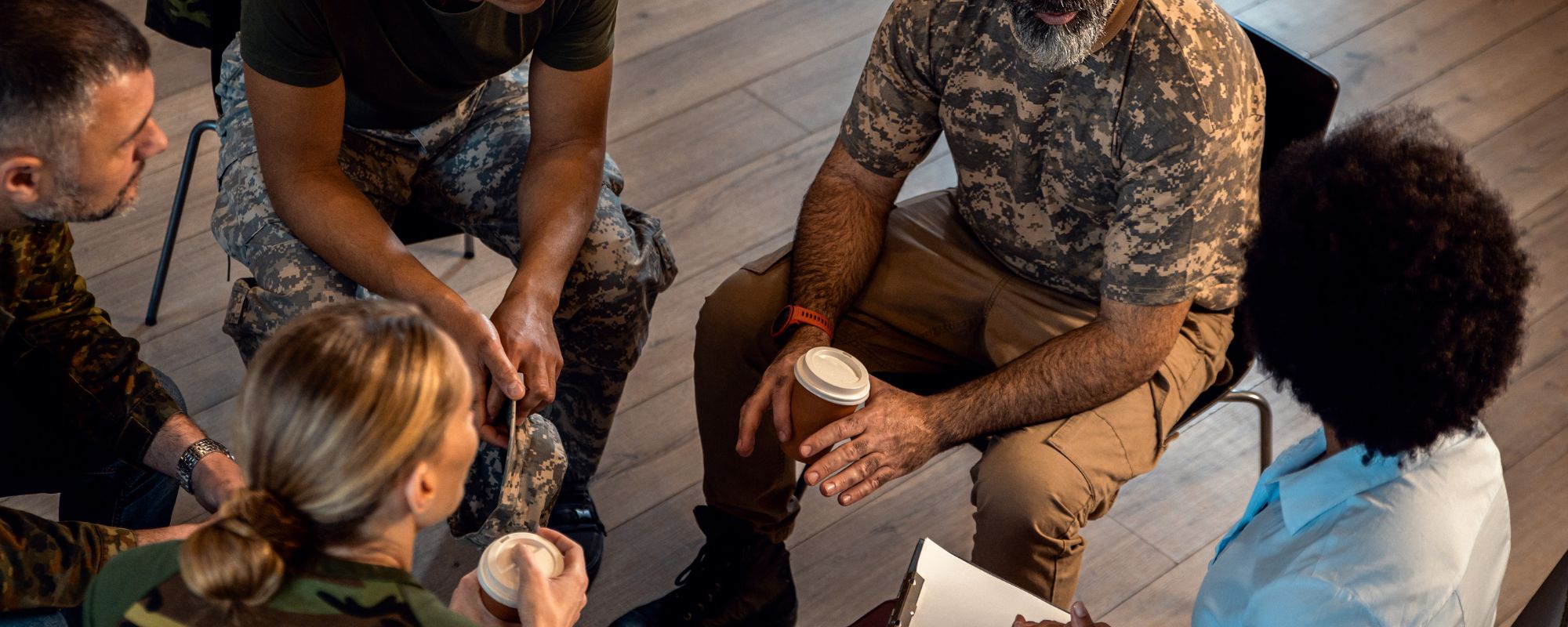
- Group therapy: Offers connection with others who understand trauma
- Peer support: Reduces isolation through shared lived experience
- Holistic therapies: May include mindfulness, fitness, nutrition, breathwork, or stress-management practices
Aliya Veterans provides trauma therapy for veterans using compassionate, evidence-based approaches designed to support long-term recovery.
Promoting Veteran Mental Health Resources
PTSD Awareness Month also highlights practical resources that can help veterans and families take the first step.
These may include:
- PTSD self-screening tools
- Veterans Crisis Line resources
- Community awareness walks
- Educational events
- Veteran peer support programs
- Family education groups
- Referrals to PTSD treatment centers
Some veterans may begin by searching online for “PTSD treatment near me.” That can be a helpful starting point, but it is important to look for programs that understand veteran trauma, co-occurring mental health conditions, and substance use when present.
Encouraging Open Conversations
Open conversations can reduce shame and isolation. Families may begin to understand that withdrawal, anger, sleep problems, or emotional numbness may be trauma responses rather than intentional rejection.
Talking about mental health can also improve early intervention. When a veteran feels safe enough to say, “I’m not okay,” that moment can become a turning point.
Get confidential help from our addiction and mental health treatment facilities located across the United States. Call to join one of our quality programs today!
Speak With Our Admissions TeamPTSD Awareness Month and Substance Use
PTSD and substance use often occur together. Some veterans use alcohol or drugs to numb memories, calm anxiety, reduce nightmares, or feel temporary relief from emotional pain.
At first, substances may seem to help. Over time, they often make symptoms worse. Alcohol and drugs can disrupt sleep, increase depression, intensify anxiety, damage relationships, and make it harder to process trauma in treatment.
The Connection Between PTSD and Addiction
Veterans with PTSD may have a higher risk of developing substance use disorders. This does not mean they lack willpower. It often means they are trying to cope with symptoms that feel unbearable.
Common patterns may include:
- Drinking to fall asleep
- Using substances to stop intrusive thoughts
- Avoiding emotions through intoxication
- Using stimulants to stay alert or avoid vulnerability
- Feeling unable to relax without alcohol or drugs
When PTSD and addiction occur together, integrated treatment is often best. That means both conditions are addressed at the same time, rather than treating one while ignoring the other.
Aliya Veterans offers specialized support for PTSD and addiction treatment for veterans, helping individuals address trauma and substance use with coordinated care. For veterans who need safe withdrawal support before beginning deeper therapeutic work, medical detox services may be an important first step.
Why Early Support Matters
Early support can prevent PTSD symptoms from becoming more disruptive over time. Trauma does not always heal by simply waiting it out. Without care, symptoms may grow stronger, especially during life stress, major transitions, grief, or exposure to new triggers.
Untreated PTSD can contribute to:
- Relationship conflict
- Divorce or family disconnection
- Job loss or career challenges
- Chronic sleep problems
- Depression or suicidal thoughts
- Substance use
- Physical health concerns
- Social isolation
Seeking help early may improve long-term recovery outcomes. It can also give families tools to respond with more patience, understanding, and confidence.
Support does not have to begin with a major crisis. A screening, consultation, or conversation with a mental health professional can help veterans understand what they are experiencing and what type of care may be helpful.
What Veterans and Families Can Do During PTSD Month
PTSD Awareness Month gives veterans, families, and communities a chance to take meaningful action. Even small steps can help reduce stigma and support healing.
Ways to Support PTSD Awareness
Families and community members can support awareness by:
- Learning the signs and symptoms of PTSD
- Sharing educational resources on social media
- Attending community awareness events
- Encouraging loved ones to seek support
- Practicing empathy and active listening
- Avoiding judgmental language
- Checking in without pressure
- Supporting veteran-led mental health efforts
If a veteran opens up, listen with care. You do not need to have all the answers. Often, a calm and supportive response can help someone feel less alone.
Helpful things to say may include:
- “I’m glad you told me.”
- “You don’t have to handle this by yourself.”
- “I’m here with you.”
- “We can look for support together.”
How Veterans Can Prioritize Mental Health
Veterans can use PTSD Month as an opportunity to take one supportive step toward healing.
Options include:
- Scheduling a mental health screening
- Talking with a trusted provider
- Connecting with a veteran peer group
- Exploring therapy or counseling
- Building a healthier sleep routine
- Practicing grounding or breathing techniques
- Reducing alcohol or substance use
- Creating a fitness or movement plan
- Reaching out before symptoms become a crisis
Some veterans may need a higher level of care, especially if symptoms are severe, daily functioning is difficult, or substance use is involved. In these cases, Inpatient PTSD treatment or structured residential care may offer the stability needed to begin healing.
Looking for quality treatment for substance abuse and mental health that’s also affordable? Aliya Veterans treatment facilities accept most major insurance providers. Get a free insurance benefits check now!
Check Your CoverageWhat Veterans Say About PTSD Awareness
Many veterans say awareness months help reduce stigma because they make mental health easier to discuss. When PTSD is talked about openly, veterans may feel less pressure to hide what they are experiencing.
Some also say that awareness is only the first step. Education matters, but it must be paired with real access to care, trusted providers, and ongoing support. Veterans need more than slogans. They need treatment options that understand the complexity of trauma and the culture of military service.
Why Representation and Shared Experiences Matter
Veterans often respond strongly to peer-led recovery stories. Hearing from someone who has served, struggled, and found support can make treatment feel more possible.
Shared experiences can help veterans think:
- “I’m not the only one.”
- “What I’m feeling has a name.”
- “Help might actually work.”
- “I can talk about this without losing who I am.”
Representation matters because trauma can feel isolating. When veterans see others speak openly about recovery, it can challenge shame and create hope.
How Aliya Veterans Supports PTSD Recovery
Aliya Veterans provides compassionate, trauma-informed care for veterans and first responders facing PTSD, substance use, and co-occurring mental health conditions. Treatment is designed to support the whole person, not just the symptoms.
Through veteran-focused care, Aliya Veterans helps clients address the emotional, physical, and relational effects of trauma in a supportive environment.
Veteran-Focused Trauma Treatment
Aliya Veterans supports PTSD recovery through:
- Trauma-informed care designed for veterans and first responders
- Evidence-based therapies tailored to PTSD symptoms
- Support for co-occurring substance use and mental health disorders
- Individualized treatment planning
- Holistic wellness practices
- Peer connection and structured support
- Clinical care that honors each person’s story and goals
Veterans with trauma-related symptoms may benefit from treatment for trauma and stress disorders, especially when symptoms interfere with daily life, relationships, sleep, or emotional stability.
Levels of Care Available
Different veterans need different levels of support. Aliya Veterans offers a continuum of care to meet clients where they are and help them move forward safely.
Available levels of care may include:
- Residential treatment
- Partial hospitalization programs
- Intensive outpatient programs
- Outpatient care
- Telehealth support
For veterans who need 24/7 structure and clinical support, residential treatment for veterans can provide a safe place to focus fully on recovery. This level of care may also be appropriate for those seeking Complex PTSD residential treatment, especially when trauma symptoms are long-standing or connected to repeated exposure.
Veterans and families comparing PTSD treatment centers should look for programs that understand military trauma, offer evidence-based therapies, and provide care for co-occurring conditions when needed.
FAQ: PTSD Awareness Month and Veteran Recovery
What month is PTSD Awareness Month?
June is PTSD Awareness Month. June 27 is recognized as PTSD Awareness Day.
Why is PTSD Awareness Month important for veterans?
PTSD Awareness Month helps reduce stigma, educate families, and encourage veterans to seek support. It also reminds communities that PTSD is treatable and that veterans do not have to manage symptoms alone.
What are common PTSD symptoms?
Common symptoms include nightmares, flashbacks, anxiety, panic attacks, hypervigilance, emotional numbness, irritability, depression, isolation, intrusive thoughts, and trouble sleeping.
Can PTSD develop years after military service?
Yes. PTSD symptoms can appear months or years after military service. Life changes, stress, loss, retirement, health concerns, or new trauma reminders can bring symptoms to the surface.
What treatments help veterans with PTSD?
Effective treatments may include EMDR therapy, Cognitive Behavioral Therapy, Cognitive Processing Therapy, group therapy, peer support, holistic wellness practices, and trauma-informed residential or outpatient care.
Is PTSD connected to substance use?
Yes, PTSD and substance use can occur together. Some veterans use alcohol or drugs to cope with trauma symptoms, but substances often worsen mental health over time. Integrated treatment can address both PTSD and addiction together.
How can families support veterans during PTSD recovery?
Families can learn about PTSD, listen without judgment, encourage professional support, respect boundaries, avoid blame, and practice patience. Family support can be powerful, but loved ones should also seek guidance for their own wellbeing.
Conclusion
PTSD Awareness Month is about education, compassion, and reducing stigma. For veterans and families, it is a reminder that trauma responses are real, support is available, and healing can happen with the right care.
PTSD does not have to define a veteran’s future. Whether symptoms are new, long-standing, connected to substance use, or affecting family life, professional treatment can help restore stability and hope.
If you or someone you love is struggling with PTSD, Aliya Veterans is here to help. Reach out for confidential support and treatment guidance, and take the next step toward recovery with a team that understands veteran trauma and believes in whole-person healing.