Military service can test the body—and the mind. While physical injuries are often visible and acknowledged, military trauma is an invisible wound that affects countless veterans. It’s essential to understand what military trauma is, how it affects those who serve, and what paths to recovery look like. At Aliya Veterans, we believe no one should face these challenges alone.
What Is Military Trauma?
“Military trauma” refers to emotional or psychological harm experienced during active duty—whether in combat, training, deployments, or even non‑combat stressors. This trauma can stem from:
-
Exposure to life-threatening combat situations
-
Witnessing injuries or deaths of comrades
-
Military sexual trauma or assault
-
Repeated high-stress operations
-
Moral injury (actions or decisions that violate one’s moral code)
-
Loss, separation, or grief while in service
Over time, these experiences can accumulate. They may lead to chronic mental health challenges, particularly Posttraumatic Stress Disorder (PTSD).
The Link Between Military Trauma and PTSD
Many veterans suffering from military trauma also experience posttraumatic stress disorder (PTSD). PTSD can develop after enduring a traumatic event, turning one event—or many—into ongoing emotional and mental upheaval. Signs and symptoms often include:
-
Intrusive memories or nightmares
-
Hypervigilance or being “on edge”
-
Avoidance of reminders related to the trauma
-
Emotional numbness or feeling detached
-
Difficulty sleeping, concentration problems, or irritability
-
Heightened anxiety or panic responses
People with military trauma often feel as though the battlefield follows them home. Situations that seem mundane to others can act as triggers—loud noises, certain smells, or even rapidly changing environments may bring back intense memories.
The U.S. Department of Veterans Affairs describes PTSD’s symptoms including reliving the event, avoiding reminders, negative mood or thoughts, and hyperarousal.
Get confidential help from our addiction and mental health treatment facilities located across the United States. Call to join one of our quality programs today!
Speak With Our Admissions Team
Why Military Trauma Is Distinct
Veterans face stressors that may not apply to civilians, and these differences matter in how treatment should be approached. Some unique aspects include:
-
Repeated or prolonged exposure to trauma across multiple deployments
-
A culture of strength, stigma, and self-reliance that can inhibit help-seeking
-
Moral injury and guilt that may not fit traditional trauma models
-
Co-occurring issues such as traumatic brain injury (TBI), substance use, or chronic pain
-
Difficulty transitioning from military to civilian life
Because military trauma often has layers and complexities, treatment approaches must be sensitive and specialized.
Paths to Healing: Outcome-Based Approaches
Healing from military trauma is possible. Many trauma and PTSD therapists specialize in outcome-based interventions designed to address traumatic memory, reduce symptoms, and restore quality of life. Some of the most effective therapeutic modalities include:
1. EMDR Therapy
EMDR (Eye Movement Desensitization and Reprocessing) helps patients safely reprocess traumatic memory in a way that reduces their emotional charge. For veterans whose memories are vivid or haunting, EMDR can create adaptive resolution without retraumatization.
2. Cognitive Processing Therapy (CPT)
CPT is a form of cognitive processing therapy that focuses on challenging and restructuring maladaptive beliefs about the trauma. Many people with PTSD develop distorted thoughts (e.g. “I am worthless,” “I failed my comrades”), and CPT helps address these beliefs.
3. Cognitive Behavioral Therapy (CBT)
CBT addresses the interplay between thoughts, emotions, and behaviors. It is effective for anxiety disorders, PTSD anxiety, and related issues by helping veterans reframe distorted thinking and develop healthy coping strategies.
4. Dialectical Behavior Therapy (DBT)
Though originally developed for borderline personality disorder, dialectical behavior therapy (sometimes called “dialectical behavioral therapy”) is increasingly used to help manage intense emotional distress, self-destructive behaviors, and mood instability in people with complex trauma histories.
5. Trauma-Focused Treatment Programs
Beyond individual sessions, many veterans benefit from treatment programs such as residential care, intensive outpatient programs (IOP), or group therapy settings. These structured environments allow for deeper work, peer support, and consistent therapeutic engagement.
Looking for quality treatment for substance abuse and mental health that’s also affordable? Aliya Veterans treatment facilities accept most major insurance providers. Get a free insurance benefits check now!
Check Your CoverageWhat to Expect in a Program for Military Trauma
When enrolling in a program tailored for combat or service-related trauma, veterans may experience:
-
Intake assessment and personalized treatment plans
-
One-on-one therapy (e.g. EMDR, CPT)
-
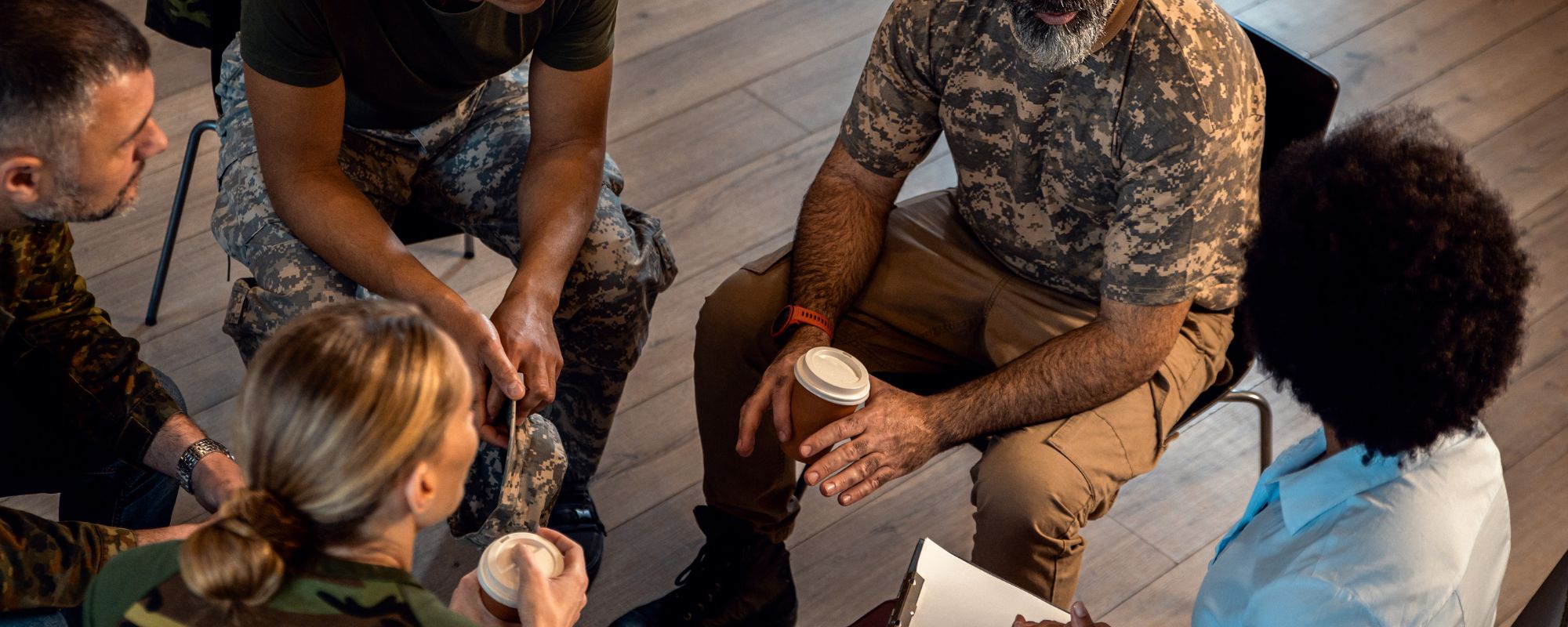
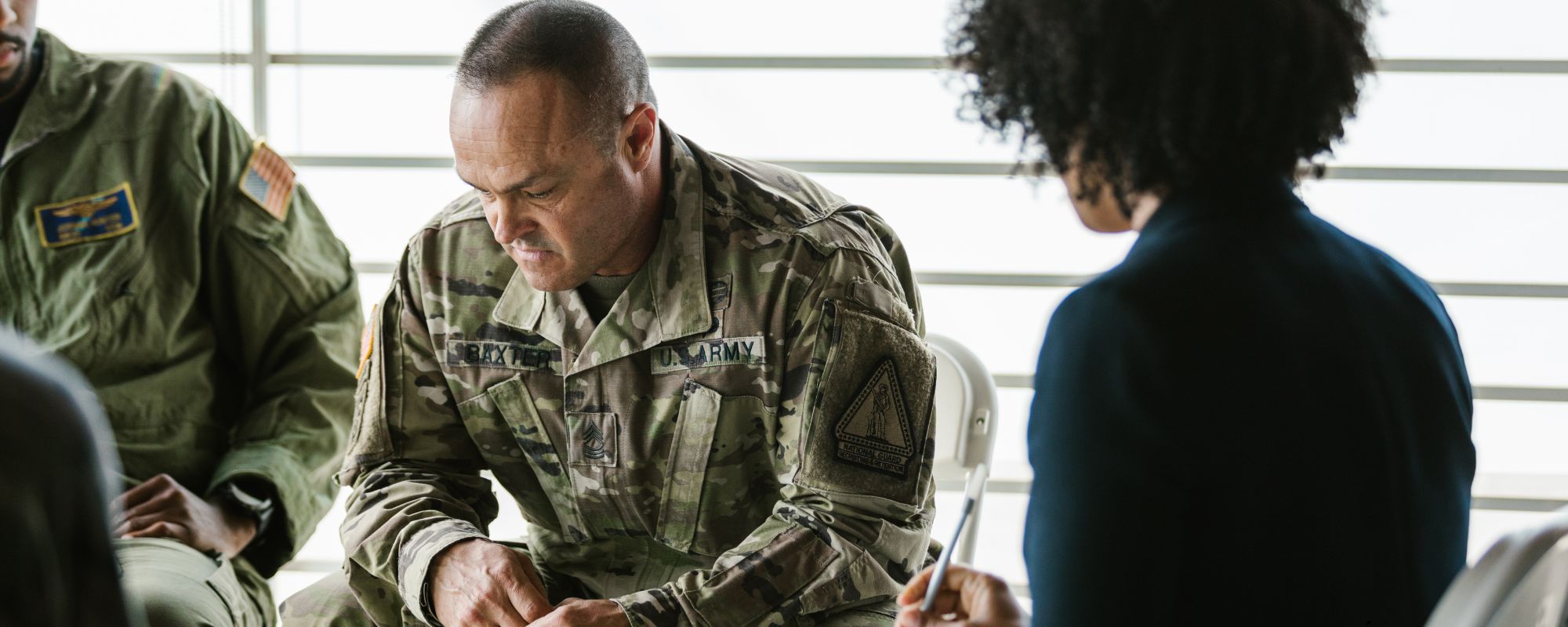
Group therapy or peer support groups with fellow veterans
-
Psychoeducation on trauma, stress responses, and coping
-
Skill-building (emotion regulation, mindfulness, grounding techniques)
-
Somatic therapies, bodywork, and complementary options
-
Ongoing maintenance and aftercare support
These programs aim not only to reduce symptoms but to rebuild meaning, purpose, and connection in life.
Barriers to Seeking Help — And How to Overcome Them
Many veterans hesitate to seek treatment for military trauma due to:
-
Perceived stigma or fear of being seen as “weak”
-
Concerns about career interference or security clearance
-
Distrust of mental health providers who do not understand military culture
-
Shame, guilt, or difficulty articulating trauma
-
Logistical obstacles (distance, scheduling, cost)
To overcome these barriers:
-
Look for trauma and PTSD therapists who specialize in working with veterans
-
Ask about teletherapy, sliding-scale fees, or veterans’ benefit coverage
-
Seek veteran peer support networks
-
Start with brief consultations or screening tools
-
Remind yourself: seeking help is a sign of strength—not weakness
Why Healing Military Trauma Matters
Untreated military trauma can ripple into every aspect of life—relationships, employment, physical health, and self-identity. But treatment works. Many veterans report better sleep, reduced anxiety, improved focus, and deeper connection to others. Over time, recovery can bring a renewed sense of purpose and peace.
At Aliya Veterans, we believe in honoring the burden of service by providing trauma-informed, veteran-centered care. If you or someone you know is carrying the weight of military trauma, you don’t have to do it alone.
Take the First Step
If military trauma has left you feeling stuck, isolated, or disconnected, here’s what you can do right now:
-
Reach out to a qualified trauma therapist or PTSD counselor with experience in military-related trauma.
-
Ask about EMDR, CPT, DBT, and integrated treatment programs tailored for veterans.
-
Connect with other veterans through support groups or peer programs—hearing others’ stories helps normalize your own.
-
Be patient and compassionate with yourself. Healing takes time, and setbacks are part of the process.
You’ve served your country with courage. You deserve the same commitment—compassion, care, and support—as you move forward. Let Aliya Veterans walk beside you on your path to healing.


- Healthy Holiday Routines: Maintaining Structure, Sleep, and Self-Care When Your Normal Schedule Changes - November 12, 2025
- PTSD Treatment in Irvine, CA: A Veteran‑Focused Path to Healing - November 5, 2025
- PTSD Rehabs in California: Specialized Trauma Recovery for Veterans and First Responders - November 5, 2025