Table of Contents

Key Takeaways:

  • Non-pharmacological interventions for depression—including cognitive behavioral therapy, behavioral activation, mindfulness-based therapies, exercise, and trauma-informed care—are effective first-line or adjunctive treatments for veterans. 
  • Cognitive behavioral therapy (CBT) is one of the most researched treatments for depression and is highly effective for major depressive disorder and trauma-related depression. 
  • At Aliya Veterans, evidence-based, non-drug treatments are integrated throughout residential, PHP, and IOP programs, particularly for veterans with co-occurring substance use disorders. 
  • Specialized treatments such as EMDR require trained professionals and clinical supervision. 
  • Severe depressive symptoms—such as suicidal thoughts, inability to function, or psychotic features—require immediate professional evaluation. 


Question: 

Why should someone consider non-pharmacological interventions for depression? 

Answer:  

While antidepressant medications can be helpful, they are not the only effective treatment option. Research strongly supports non-pharmacological interventions for depression as first-line or complementary approaches—especially for veterans who want skill-based, trauma-informed care that promotes long-term recovery. These treatments focus on restoring structure, meaning, emotional regulation, and resilience without relying solely on medication. 

Why Many Veterans Look Beyond Medication for Depression 

Depression affects veterans at higher rates than the general population, particularly among those exposed to combat, military sexual trauma, or repeated operational stress. Although antidepressants are often part of treatment, many veterans seek additional or alternative approaches due to: 

  • Side effects such as emotional blunting, sexual dysfunction, or sleep disruption 
  • Limited symptom relief with medication alone 
  • Concerns about long-term medication dependence 
  • Interactions with alcohol or other substances during recovery 
  • A desire for treatments that rebuild purpose, identity, and coping skills 
     

Many veterans entering Aliya Veterans programs are already taking antidepressants and experience greater improvement when therapy-based, behavioral, and trauma-focused interventions are added. 

What Are Non-Pharmacological Treatments for Depression? 

Non-pharmacological treatments address depression through psychological, behavioral, and physiological pathways rather than medication alone. These approaches help veterans re-engage with life, regulate emotions, and process trauma. 

Core categories include: 

  • Psychotherapies: CBT, behavioral activation, ACT, EMDR 
  • Mind-body therapies: Mindfulness-based cognitive therapy, meditation, yoga 
  • Lifestyle interventions: Exercise, sleep regulation, structured routines 
  • Neuromodulation: Biofeedback, neurofeedback, TMS 
  • Adjunctive therapies: Group therapy, expressive therapies, peer support 
     

At Aliya Veterans, these treatments are delivered across residential, partial hospitalization (PHP), and intensive outpatient (IOP) levels of care. 

Looking For Substance Abuse or Mental Health Help?

Get confidential help from our addiction and mental health treatment facilities located across the United States. Call to join one of our quality programs today!

Speak With Our Admissions Team

First-Line Psychological Therapies for Veteran Depression 

Clinical guidelines identify psychotherapy as a first-line treatment for depression, often matching or exceeding medication outcomes for mild to moderate cases. Therapy also produces longer-lasting benefits by teaching skills that prevent relapse. 

Cognitive Behavioral Therapy (CBT) and Behavioral Activation 

CBT for depression helps veterans identify and challenge negative beliefs such as hopelessness, guilt, or perceived failure. Behavioral activation—an essential CBT component—targets withdrawal and inactivity by reintroducing meaningful, structured activities. 

Core CBT strategies include: 

  • Identifying automatic negative thoughts 
  • Cognitive restructuring 
  • Behavioral activation scheduling 
  • Problem-solving skills 
  • Relapse-prevention planning 
     

Acceptance and Commitment Therapy (ACT) 

ACT is especially effective for veterans whose depression is tied to shame, moral injury, or trauma. Rather than fighting depressive thoughts, ACT emphasizes values-driven action and psychological flexibility. 

ACT techniques include: 

  • Values clarification 
  • Cognitive defusion 
  • Acceptance of emotional experiences 
  • Present-moment awareness 
  • Committed action 

Mindfulness, Somatic, and Movement-Based Interventions 

Depression affects both the mind and the nervous system. Mindfulness and somatic therapies help veterans reduce rumination, improve sleep, and regulate emotional responses. 

  • Mindfulness-Based Cognitive Therapy (MBCT) 
  • Relaxation and breathing techniques 
  • Trauma-informed yoga and movement 
     

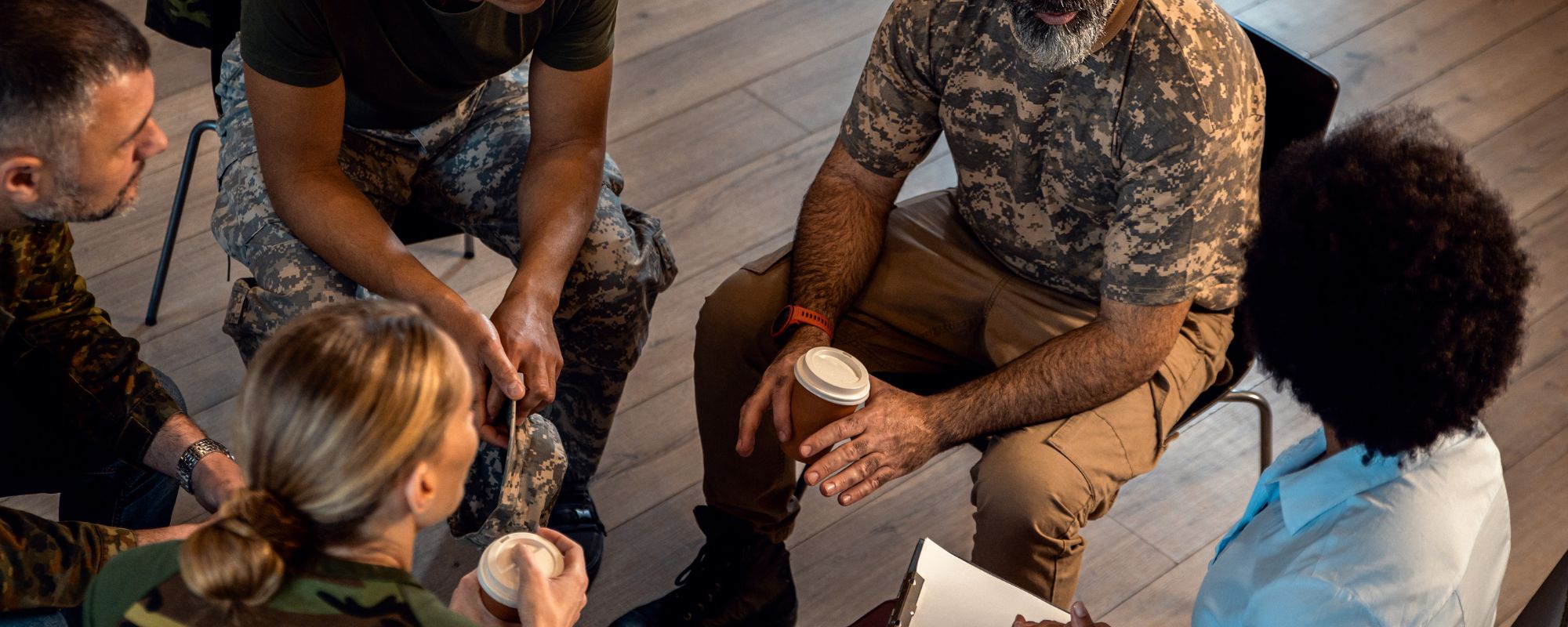
These approaches are integrated into daily programming at Aliya Veterans, particularly in residential and PHP settings. 

Verify Your Insurance

Looking for quality treatment for substance abuse and mental health that’s also affordable? Aliya Veterans treatment facilities accept most major insurance providers. Get a free insurance benefits check now!

Check Your Coverage​

Exercise and Lifestyle Interventions 

Regular physical activity is one of the most effective non-pharmacological treatments for depression. Exercise improves mood, sleep, and energy while restoring routine and discipline—factors often familiar to veterans. 

Recommendations include: 

  • 150 minutes of moderate aerobic exercise weekly 
  • Strength training twice per week 
  • Consistent daily routines 

Trauma-Focused Therapies and EMDR 

For many veterans, depression is rooted in unresolved trauma. EMDR is a structured, evidence-based therapy shown to reduce trauma-related depression and PTSD symptoms. EMDR is provided by trained clinicians and typically follows initial stabilization. 

Treating Depression in Dual-Diagnosis Veterans 

Depression and substance use disorders frequently reinforce one another. Treating only one condition increases relapse risk. 

At Aliya Veterans, integrated care ensures: 

  • Reduced reliance on sedating medications 
  • Stronger coping skills 
  • Trauma resolution 
  • Improved long-term recovery outcomes 
     

When Medication May Be Necessary 

Medication may be required when depression involves: 

  • Suicidal ideation 
  • Severe functional impairment 
  • Psychotic symptoms 
  • Failure of multiple therapy trials 
     

At Aliya Veterans, psychiatric and therapy teams collaborate closely to individualize care. 

Reclaim Your Strength and Move Forward 

Depression does not diminish your service—or your strength. At Aliya Veterans, we provide evidence-based, trauma-informed treatment designed specifically for those who have served. Our residential, PHP, and IOP programs help veterans rebuild purpose, stability, and long-term mental health. 

Contact Aliya Veterans today for a confidential consultation and take the next step toward recovery. 

Medical Reviewer

Dr. Darren Skinner, LSW, MSW, Ph.D. Medical Reviewer

Dr. Darren Skinner, LSW, MSW, Ph.D., serves as the Clinical Case Manager for Aliya Veterans’ addiction and mental health treatment centers in Hamilton Township, New Jersey. With over a decade of experience in social work and behavioral health, Dr. Skinner is committed to empowering individuals and communities through advocacy and tailored therapeutic support.

Edit Template
Written by Aliya Veterans Writers

Author

  • Pierce Willans

    Pierce Willans is an experienced SEO Strategist and Writer for Aliya Health Group, a behavioral health treatment center. With a strong background in journalism and communications, Pierce brings a unique and holistic approach to crafting content that speaks directly to those struggling with addiction and mental health disorders. In 2012, he earned his Associate's degree in Liberal Arts and Sciences, General Studies, and Humanities from Mercer County Community College. He earned his Bachelor's degree in Political Science and Government from Seton Hall University in 2015.

Get the help you need to begin your journey to recovery.

Learn More About Addiction, Mental Health, Treatment, & Recovery

Reclaim your strength with tailored support.

You’re committed to serving others. Now, it’s time to prioritize yourself.
Aliya Veterans program offers fully customizable care that respects your service and understands your unique needs and challenges.