PTSD Trauma Bonding Quotes: Finding Strength in Recovery
Table of Contents
Key Takeaways:
The blog presents trauma bonding as a pattern rooted in pain, fear, and survival responses. It explains that trauma bonding can form through cycles of abuse, distress, or unhealthy coping, and for veterans this may show up in damaging relationships or substance use tied to PTSD symptoms.
PTSD can keep veterans feeling trapped in hypervigilance long after the traumatic event ends. The article says trauma changes brain and body responses in ways meant to ensure survival, but those same adaptations can make it hard to relax, trust others, or feel safe again.
Quotes can help veterans feel understood and give language to difficult experiences. The post frames PTSD and trauma-bonding quotes as a source of validation, perspective, and hope, especially when someone struggles to explain what they are carrying internally.
Healing requires more than inspiration alone. While encouraging words can help, the blog emphasizes that recovery usually needs action and support, including trauma-focused treatment, CBT, motivational interviewing, art therapy, group support, and veteran-specific care.
Question:
What are some PTSD trauma bonding quotes for strength in recovery?
Answer:
PTSD and trauma bonding can leave veterans feeling stuck in patterns shaped by fear, pain, and survival instincts. It describes trauma bonding as an intense attachment formed through cycles of distress or abuse, and notes that for veterans it may also appear through unhealthy relationships or substance use used to manage PTSD symptoms. The article emphasizes that trauma changes brain and body responses, often leaving people in a state of hypervigilance where trust, safety, and emotional stability feel difficult to regain. A central message of the post is that quotes about trauma and recovery can offer validation, hope, and language for experiences that are otherwise hard to express. At the same time, it makes clear that inspiration alone is not enough. Real recovery comes through structured support, including trauma-focused care, CBT, motivational interviewing, art therapy, and group programs that help veterans process trauma, rebuild trust, and move from merely surviving toward genuinely healing.
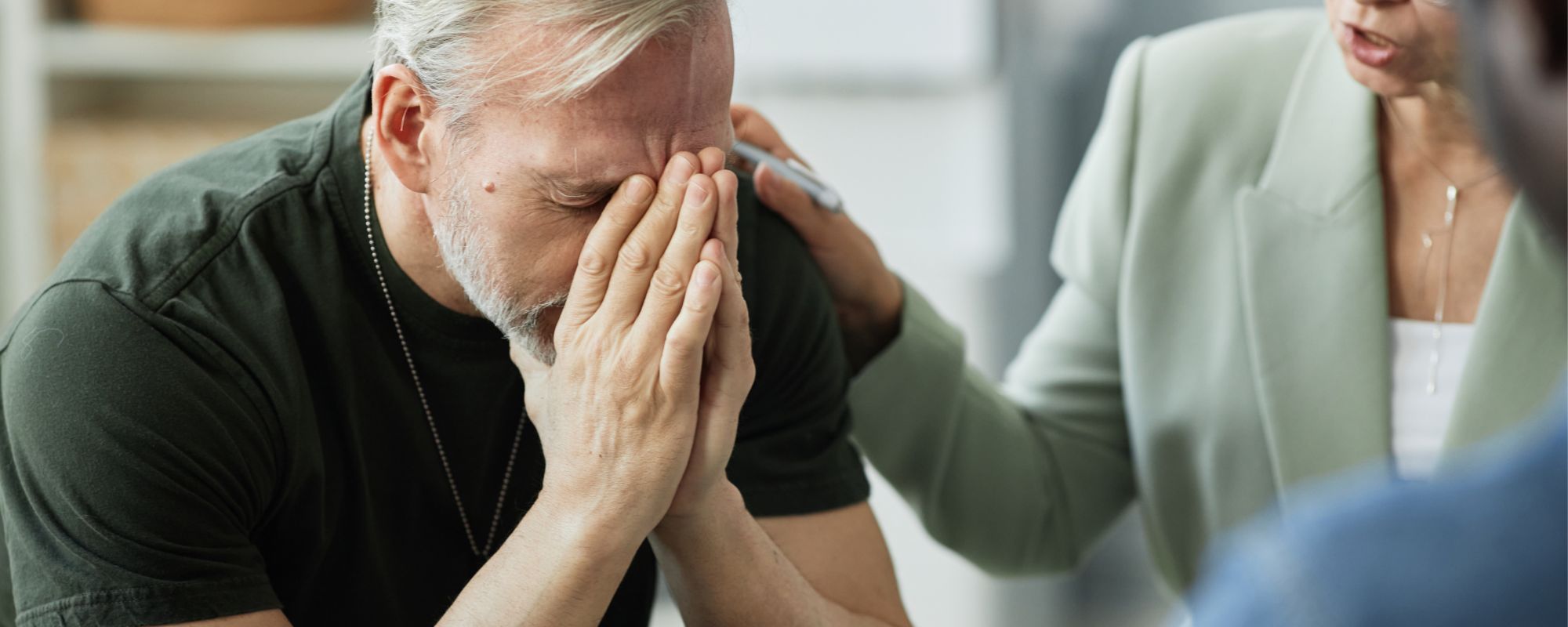
Living with PTSD or complex PTSD often feels like carrying invisible wounds. For veterans who have survived combat, military sexual trauma, or other traumatic experiences, the struggle can be overwhelming. Many describe feeling “stuck” in unhealthy patterns or relationships, tied down by trauma bonds that are difficult to break. Reflecting on PTSD trauma bonding quotes and other trauma quotes can help put words to experiences that are often hard to explain, offering comfort, perspective, and hope for trauma recovery.
Understanding Trauma Bonding and PTSD
Trauma bonding occurs when deep emotional connections are formed through cycles of pain, fear, or abuse. For veterans, this may happen in unhealthy relationships or through repeated reliance on substances to cope with stress disorder symptoms. The brain chemistry of trauma creates lasting changes that can make it hard to heal, leaving someone feeling trapped or “onto permanent alert,” as if the danger might return at any moment.
This constant state of hypervigilance is the human system’s way of trying to protect itself after traumatic events—but it can also prevent veterans from truly moving forward. Breaking trauma bonds is not about erasing the past; it’s about learning how to heal from trauma and rediscovering ways to feel safe again.
Looking For Substance Abuse or Mental Health Help?
Get confidential help from our addiction and mental health treatment facilities located across the United States. Call to join one of our quality programs today!
Many people find strength and motivation in inspirational quotes and life quotes, especially when navigating a healing journey. The following PTSD trauma bonding quotes speak to the struggle—and resilience—of processing trauma:
“Trauma may change your story, but it doesn’t have to mean the damage is who you are.”
“Healing trauma is not about forgetting—it’s about learning to live with strength beyond your past traumas.”
“When you tell your story, you take back the power that trauma tried to steal.”
“Recovery isn’t quick. It’s not easy. But every step you take is proof that you can heal from trauma.”
While some triggering quotes may reopen wounds, others provide validation and remind veterans that they’re not alone in their struggles. Reflecting on positive trauma healing messages can help create momentum for change.
Why Trauma Feels So Difficult to Overcome
After a traumatic experience, the experience the human system goes through is profound. The brain and body adapt in ways that are meant to ensure survival. Unfortunately, this survival response can keep veterans locked in patterns where it feels nearly impossible to relax or trust. Veterans may continue to feel as if the danger might return, long after the event is over.
This is why it can feel hard to heal—because of traumatic experience, the human brain chemistry creates change. Trauma bonds and substance use often develop as coping mechanisms. However, these cycles can be broken with the right support, therapy, and environment.
Verify Your Insurance
Looking for quality treatment for substance abuse and mental health that’s also affordable? Aliya Veterans treatment facilities accept most major insurance providers. Get a free insurance benefits check now!
At Aliya Veterans, we understand the weight of trauma, addiction, and the bonds that form out of pain. Our programs focus on processing trauma, rebuilding trust, and helping veterans reclaim their sense of purpose. Through research-based therapies like cognitive behavioral therapy (CBT), motivational interviewing, and trauma-focused care, we guide veterans on a safe, structured healing journey.
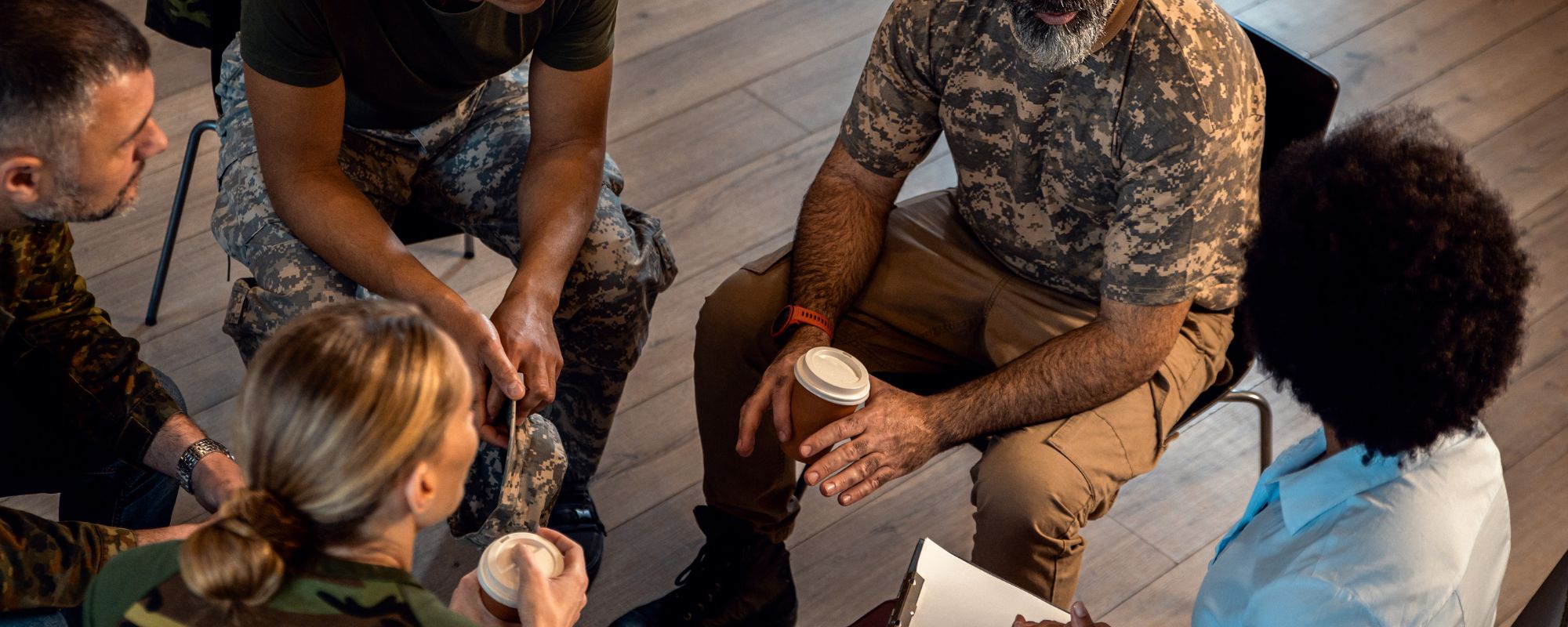
We also integrate art therapy, group support, and veteran-specific treatment programs so that each person feels understood and supported by others who share similar backgrounds. Here, healing isn’t just about surviving—it’s about learning to thrive.
Moving Forward with PTSD Rehab
Whether you’ve been struggling with past traumas, unhealthy relationships, or addiction, remember this: recovery is possible. Words can inspire, but true healing comes when you take action.
Call Aliya Veterans today to begin your trauma healing journey. You don’t have to carry the weight of trauma bonds, PTSD, or addiction alone—together, we can help you find hope, strength, and a safe path forward.
Evan Gove is a writing and editing professional with 10 years of experience and a Writing & Rhetoric degree from Hobart and William Smith Colleges. Based in Delray Beach, Florida, he enjoys soaking up the sunshine when he's not creating content.
You’re committed to serving others. Now, it’s time to prioritize yourself. Aliya Veterans program offers fully customizable care that respects your service and understands your unique needs and challenges.