Key Takeaways:
- Understanding Uncomplicated PTSD: This form of PTSD stems from a single traumatic event, with symptoms that are disruptive but generally more manageable compared to complex PTSD.
- Common Symptoms: Veterans may experience intrusive thoughts, avoidance behaviors, hypervigilance, and physical symptoms like fatigue and headaches.
- Importance of Early Intervention: Untreated symptoms can escalate, leading to severe emotional, relational, and occupational challenges. Early treatment improves long-term outcomes.
- Veteran-Specific Care: Aliya Veterans offers trauma-informed, veteran-focused treatment, including therapy, group support, and holistic approaches tailored to military experiences.
Question:
What is uncomplicated PTSD and does it require professional treatment at a veteran rehab center?
Answer:
Uncomplicated PTSD, often linked to a single traumatic event, affects many veterans. Symptoms like flashbacks, avoidance, and hypervigilance can disrupt daily life but are treatable with early intervention. Unlike complex PTSD, which arises from prolonged trauma, uncomplicated PTSD allows many veterans to maintain relationships and work. However, untreated symptoms can worsen, emphasizing the need for timely care. Aliya Veterans provides specialized, trauma-informed treatment tailored to veterans, addressing both mental health and substance use challenges. Their services include evidence-based therapies like CBT and EMDR, group support, and holistic wellness strategies. By seeking help early, veterans can reclaim their lives and find hope in recovery. If you or a loved one is struggling, Aliya Veterans offers compassionate, confidential support to guide you toward healing.
Post-traumatic stress disorder is a mental health condition that can develop after experiencing or witnessing a terrifying or life-threatening event. For veterans, this is an all-too-common reality of military service. However, not everyone experiences trauma the exact same way. Many veterans deal with what mental health professionals call uncomplicated PTSD. This means the symptoms might be less severe or tied to a single, isolated event rather than ongoing, repeated trauma.
Veterans experience trauma differently depending on their specific combat exposure, deployment stress, training accidents, or other military experiences. By recognizing the early signs and seeking specialized post-traumatic stress disorder care, you can greatly improve your chances of a full and lasting recovery. Early recognition and treatment give veterans the best path forward to restoring clarity and peace in their lives.
What Does “Uncomplicated PTSD” Mean?
Definition of Uncomplicated PTSD
If you are wondering what is uncomplicated PTSD, the uncomplicated ptsd definition refers to trauma symptoms that stem from a single, distinct traumatic event. While the symptoms can be highly disruptive to daily life, they are generally more manageable. A person with uncomplicated PTSD can often still maintain relationships, perform well at work, and manage their daily functioning with the right support.
How It Differs From Complex PTSD
When comparing cptsd vs PTSD, it is helpful to look at the nature of the trauma. Complex PTSD usually develops after prolonged or repeated trauma over months or years. Those living with complex trauma often experience more severe emotional regulation issues and greater disturbances in their relationships and personal identity. Both conditions are serious, deeply impact a person’s life, and absolutely deserve compassionate treatment and support.
Why Veterans May Experience Uncomplicated PTSD
Military service comes with unique risks. Some common uncomplicated ptsd examples include the aftermath of single-incident events, such as:
- Specific combat incidents or firefights
- Serious training accidents
- Military sexual trauma during a specific event
- Witnessing a sudden death or severe injury
- Sudden life-threatening events during active duty service
Get confidential help from our addiction and mental health treatment facilities located across the United States. Call to join one of our quality programs today!
Speak With Our Admissions Team
Common Symptoms of Uncomplicated PTSD
When looking at uncomplicated ptsd symptoms40 or exploring what are the 17 symptoms of ptsd?, the signs usually fall into a few main categories.
Intrusive Thoughts and Flashbacks
Veterans often find themselves reliving traumatic events long after returning home. This can take the form of distressing memories that pop up out of nowhere, intense flashbacks that make it feel like the event is happening again, or frequent nightmares that disrupt sleep.
Avoidance Behaviors
You might find yourself going out of your way to avoid conversations, crowded places, or specific reminders tied to the trauma. Emotional numbing is also very common. You might feel disconnected from loved ones or lose interest in activities you once enjoyed.
Hypervigilance and Anxiety
Your brain may stay on high alert, even in safe environments. This hypervigilance can lead to severe sleep disturbances, making you feel constantly exhausted. You might also experience sudden irritability, anger, or a feeling of being constantly on edge.
Physical Symptoms Veterans May Notice
Mental health conditions take a physical toll on the body. You may notice chronic fatigue, persistent headaches, unexplained muscle tension, or sudden panic symptoms like a racing heart and shortness of breath.
Looking for quality treatment for substance abuse and mental health that’s also affordable? Aliya Veterans treatment facilities accept most major insurance providers. Get a free insurance benefits check now!
Check Your CoverageHow PTSD Affects Veterans Differently
Military Culture and Emotional Suppression
The military instills a strong “push through it” mentality. While this resilience is vital during service, it can create a major hurdle when transitioning to civilian life. Many veterans find it difficult to ask for help, viewing emotional struggles as a sign of weakness rather than a normal human response to extreme stress.
Transitioning Back to Civilian Life
Adjusting to life after deployment is rarely easy for veterans. The lack of structure and the feeling of being misunderstood by civilians can lead to deep isolation. This isolation often places a heavy strain on family connections and friendships.
Substance Use and PTSD
Many veterans turn to alcohol or drugs as a way to self-medicate and numb the pain of trauma. This significantly increases the risk of co-occurring disorders, where substance use and mental health symptoms fuel one another. Comprehensive dual diagnosis treatment provides the most effective path to healing both conditions together.
Can Uncomplicated PTSD Become More Severe?
When Symptoms Go Untreated
Without proper support, manageable symptoms can escalate. Untreated trauma often leads to increased anxiety and severe depression. Over time, this can result in relationship breakdowns and significant problems holding down a job or functioning in daily life.
Risk Factors That Can Worsen PTSD
Certain factors can cause uncomplicated symptoms to grow more severe. Ongoing stress, a lack of a strong support system, substance misuse, or experiencing additional traumatic events can compound the original trauma, making recovery more challenging.
Why Early Intervention Matters
Reaching out for help early leads to much better long-term outcomes. Early intervention reduces the escalation of symptoms and greatly improves your overall quality of life. Healing is entirely possible, and you do not have to carry this weight alone.
Effective Treatments for Uncomplicated PTSD
Trauma-Focused Therapy
Evidence-based trauma therapy helps individuals process their experiences safely. Approaches like Cognitive Processing Therapy (CPT) and Cognitive Behavioral Therapy (CBT) help reframe negative thought patterns. Eye Movement Desensitization and Reprocessing (EMDR) is also highly effective for helping the brain reprocess traumatic memories so they are no longer emotionally overwhelming.
Group Therapy for Veterans
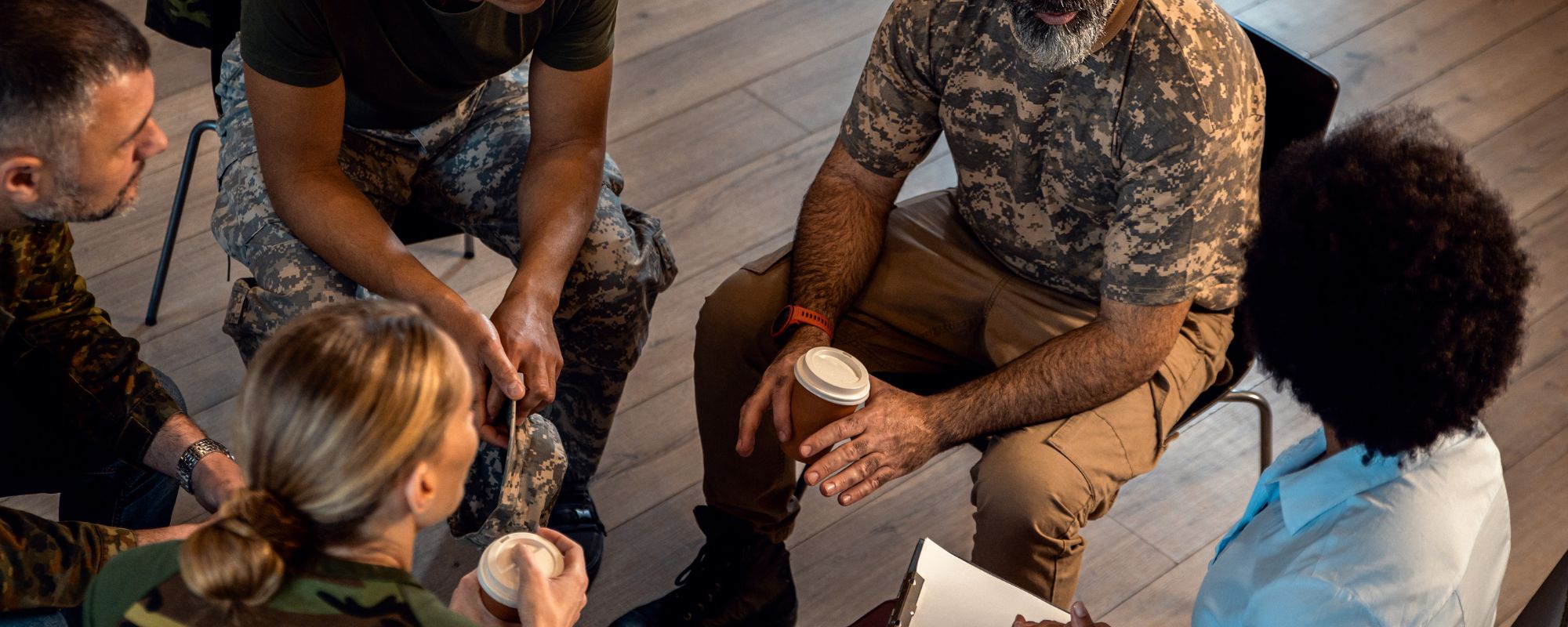
Healing alongside peers who understand the unique nature of military service is incredibly powerful. Group therapy offers a safe space to share military experiences and build a vital network of peer support.
Medication Management
When appropriate, medications can provide valuable support. Antidepressants can help stabilize mood, while targeted sleep support medications can give your body the rest it needs to engage fully in therapy.
Holistic and Wellness Approaches
We believe in treating the whole person. Integrating mindfulness, regular exercise, balanced nutrition, and healthy stress reduction strategies into your routine can restore your physical and mental balance.
When Veterans Should Seek Professional Help
Warning Signs It’s Time to Reach Out
If your symptoms last for more than a month, interfere with your ability to function, or lead to increased substance use and emotional withdrawal, it is time to seek professional care. Many veterans also wonder, is ptsd a disability? Yes, it is a recognized condition, and seeking a PTSD VA rating can open the door to vital benefits and ongoing support for your recovery.
How Family Members Can Help
Loved ones play a crucial role in the healing process. You can help by encouraging open conversations without applying pressure. Watch for noticeable behavioral changes and offer your consistent support without judgment.
PTSD Recovery Is Possible
Hold onto hope. Recovery isn’t just about managing symptoms; it’s about rebuilding a life that feels whole and purposeful. Many veterans improve significantly with the right treatment and supportive care.
Veteran-Focused PTSD Treatment at Aliya Veterans
At Aliya Veterans, we provide specialized, trauma-informed care designed specifically for the unique needs of those who served. Our veteran-specific programming includes dual diagnosis treatment to address both mental health and substance use simultaneously. Our military-culture-sensitive clinicians work with you to create personalized treatment planning that addresses your specific history and goals.
We also make accessing care as straightforward as possible. We can help you navigate insurance for rehab and provide quick, confidential insurance verification to get you started on your healing journey without unnecessary stress.
Conclusion
PTSD symptoms are highly treatable, and you deserve a life free from the shadows of past trauma. Reaching out for help is a sign of strength and the first step toward reclaiming your future. We encourage veterans and their families to seek help early to ensure the best possible outcomes.
If you or a loved one may be struggling with uncomplicated PTSD, professional support can make recovery possible. The veteran-focused team at Aliya Veterans offers trauma-informed mental health and addiction treatment designed specifically for those who served. Reach out today to explore your confidential support and assessment options.