Key Takeaways:
- First responders face repeated exposure to traumatic events, placing emergency responder mental health at significantly higher risk for developing PTSD over time.
- The signs of PTSD in first responders can be emotional, behavioral, physical, or cognitive, and often go unnoticed or are mistaken for normal job stress.
- Military veterans working as first responders may experience compounded or reactivated trauma due to the overlap between combat experiences and emergency response work.
- Untreated PTSD can lead to serious consequences to emergency responder mental health, including burnout, substance use, depression, and increased suicide risk.
Question:
What are the signs of PTSD in first responders?
Answer:
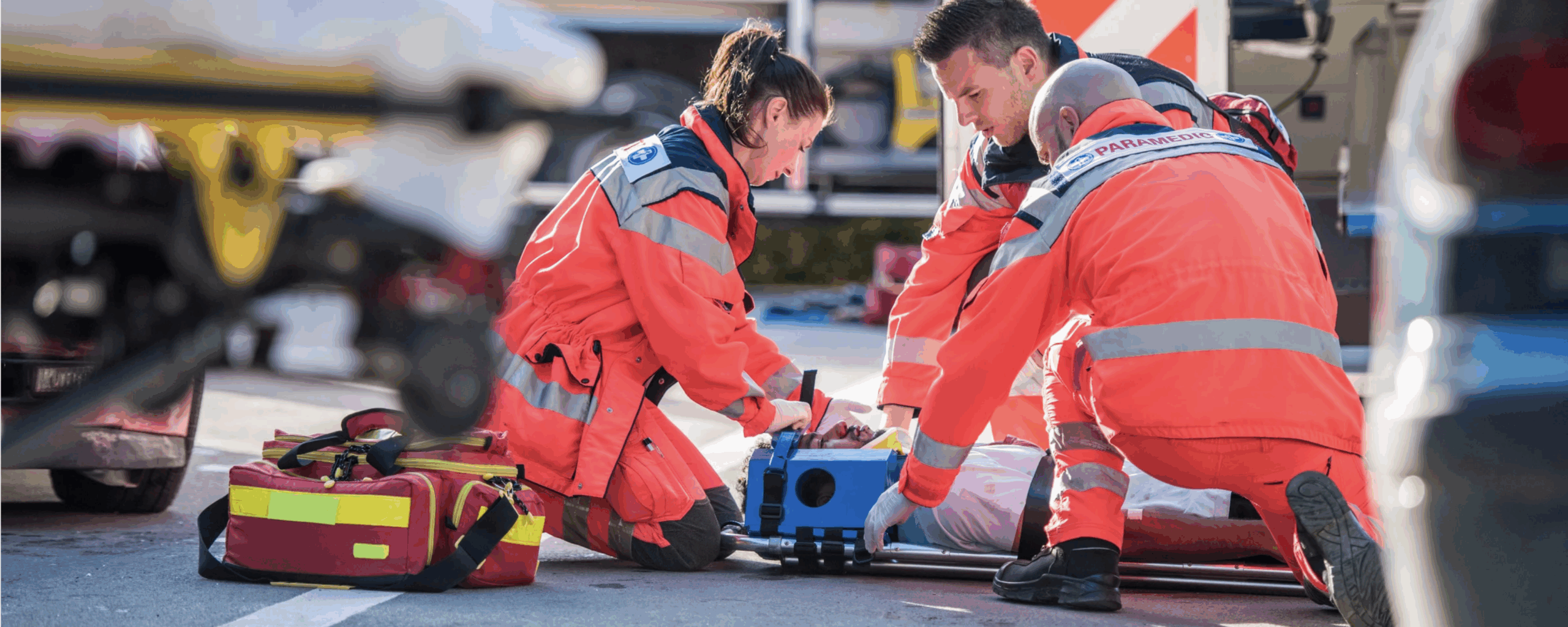
First responders are routinely exposed to high-stress, life-threatening situations that most people will never experience. From responding to violent incidents and fatal accidents to witnessing human suffering on a daily basis, these repeated exposures can have lasting psychological effects. One of the most common outcomes is post-traumatic stress disorder (PTSD), a condition that can develop after experiencing or witnessing traumatic events.
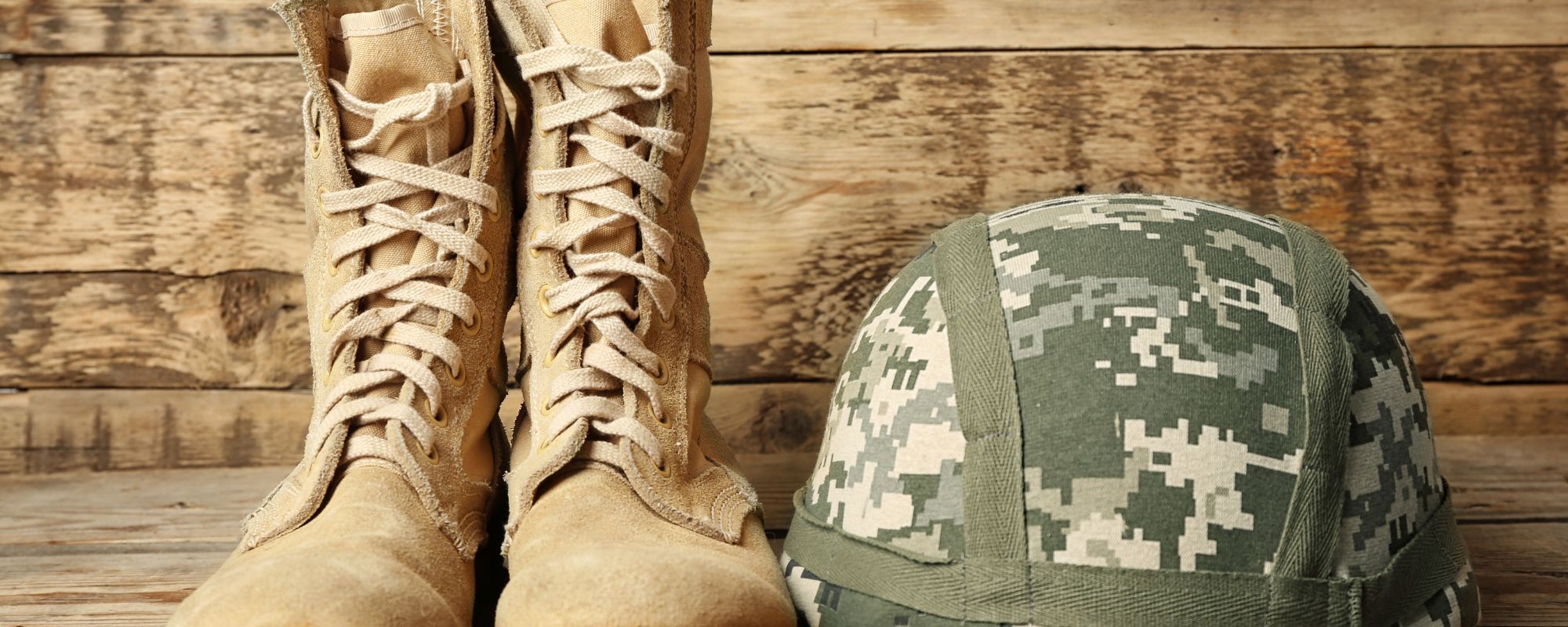
Understanding the signs of PTSD in first responders is essential for early intervention and long-term well-being. For many military veterans who transition into careers as firefighters, law enforcement officers, or EMTs, trauma may stem from both past service and present-day emergency work. Recognizing the warning signs can be the first step toward getting meaningful, specialized support.
Why First Responders Are at High Risk for PTSD
First responders operate in environments where trauma is not an exception, but a routine part of the job. Unlike a single traumatic event, their work often involves repeated exposure to violence, serious injury, death, and human suffering over months or years. This cumulative trauma can overwhelm the body’s natural stress response and increase the likelihood of developing PTSD and other mental health issues like anxiety and depression.
In addition, first responder culture frequently emphasizes toughness, emotional control, and pushing through distress in order to protect others. While these traits are essential in emergencies, they can make it harder to acknowledge symptoms or seek help. For military veterans who enter first responder roles, the risk may be even greater, as unresolved combat-related trauma can be reactivated by similar sights, sounds, or high-adrenaline situations encountered on the job.
Common Signs of PTSD in First Responders
PTSD does not look the same in everyone. Symptoms may appear gradually or emerge months or even years after traumatic exposure. Below are some of the most common first responder PTSD symptoms.
Emotional and Psychological First Responder PTSD Symptoms
Many first responders with PTSD struggle internally, even while appearing “fine” on the outside.
Common emotional signs include:
- Intrusive memories or flashbacks related to calls, scenes, or specific incidents
- Nightmares or chronic sleep disturbances
- Persistent anxiety or a sense of being “on edge”
- Irritability, anger outbursts, or low frustration tolerance
- Emotional numbness or feeling disconnected from others
- Feelings of guilt, shame, or self-blame for outcomes beyond one’s control
These symptoms can interfere with relationships, decision-making, and overall quality of life.
Behavioral Changes
PTSD in first responders often shows up through noticeable changes in behavior.
These may include:
- Withdrawal from family, friends, or coworkers
- Loss of interest in activities once enjoyed
- Increased alcohol or substance use as a coping mechanism
- Avoidance of reminders of trauma, such as certain locations, sounds, or types of calls
- Overworking or refusing time off to avoid being alone with thoughts
Family members are often the first to notice these shifts, even when the individual does not recognize them as symptoms.
Physical and Cognitive First Responder PTSD Symptoms
Trauma affects both the mind and the body.
Physical and cognitive signs of PTSD in first responders may include:
- Chronic fatigue or exhaustion
- Headaches, muscle tension, or gastrointestinal issues
- Difficulty concentrating or making decisions
- Heightened startle response or constant hypervigilance
- Trouble falling or staying asleep
These symptoms are frequently misattributed to stress or aging, allowing PTSD to go unaddressed. According to a study on PTSD symptoms in male firefighters, emotional numbing, social detachment, and diminished interest are reported at higher rates than in civilians with PTSD.