Key Takeaways:
- The First Responder Flag is a unified symbol of emergency service roles. The blog explains the common black-and-white U.S. flag with “thin line” stripes—red for firefighters, blue for law enforcement, white/gold for EMS/paramedics, and other colors for additional roles.
- The flag’s visible pride can mask invisible burdens. It argues the symbolism should also prompt awareness of the “private aftermath of trauma” many first responders carry.
- PTSD and substance use risk are disproportionately high in first responders. The post connects repeated exposure to violence, death, rescues, and moral injury to chronic stress, nightmares, emotional numbing, panic, and self-medicating with alcohol/drugs—often worsened by a stoic workplace culture.
- Awareness should lead to action through specialized, peer-sensitive care. Aliya Veterans highlights trauma-informed treatment (e.g., EMDR, CBT, DBT), first-responder-tailored addiction care, peer groups, MAT when appropriate, family support, and aftercare/relapse prevention.
Question:
What is the first responder flag and why is it important for mental health awareness?
Answer:
The First Responder Flag is more than a patriotic display—it’s a unifying tribute to emergency professionals, often shown as a black-and-white American flag with “thin line” stripes (red for firefighters, blue for law enforcement, white/gold for EMS, and other colors for additional roles). But it argues the flag should also remind us of what’s harder to see: the psychological toll of repeatedly running toward danger. The post notes that exposure to violent scenes, death, fires, and high-stakes medical emergencies can increase risk for PTSD, depression, anxiety, and substance use disorders, with symptoms like nightmares, panic attacks, emotional numbing, and self-medication. Because first responder culture can reward stoicism, many struggle silently. The article frames mental health awareness as life-saving stigma reduction—and points to Aliya Veterans’ specialized, trauma-informed support (EMDR/CBT/DBT, peer groups, tailored addiction care, MAT when appropriate, family services, and aftercare) so honor becomes real help.
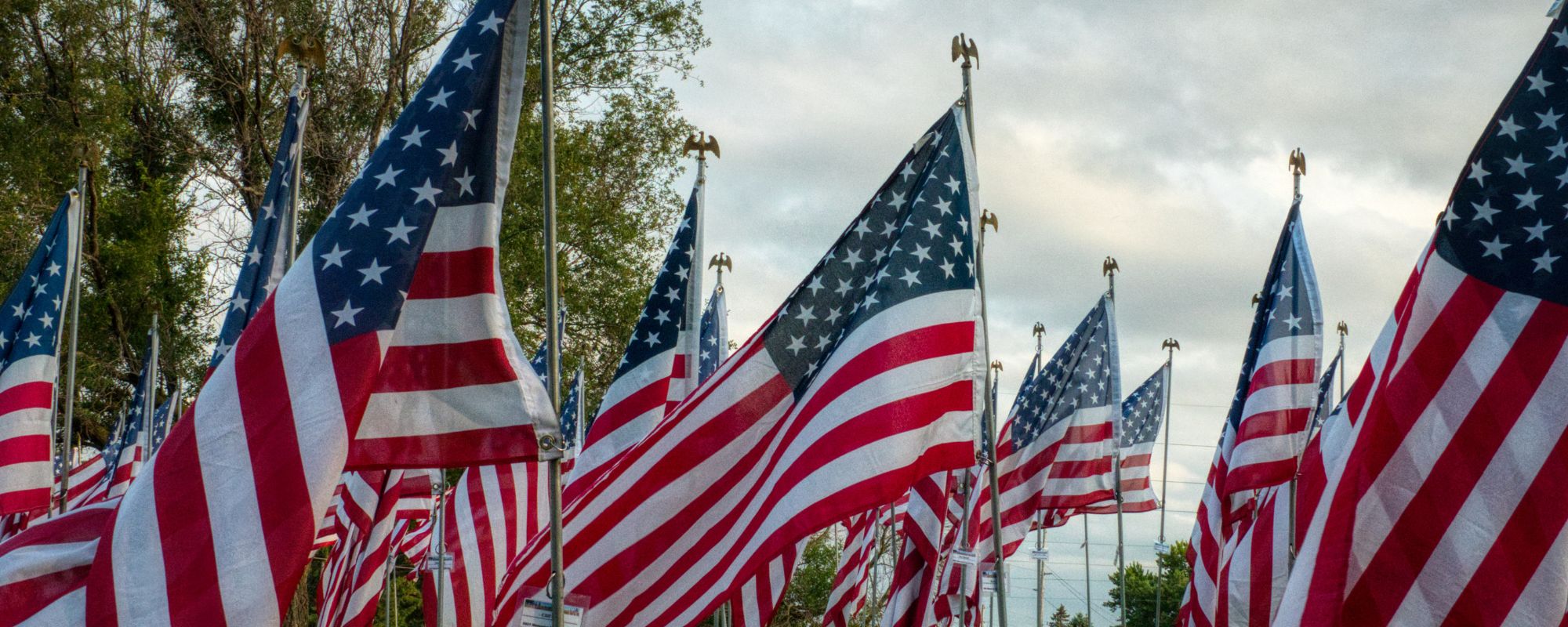
When people see the First Responder Flag flying high over firehouses, police departments, or EMS stations, they often feel a surge of pride and gratitude. The flag stands as a powerful symbol, honoring the courage, commitment, and sacrifice of those who run toward danger while others seek safety. But behind the symbolism lies a deeper story that isn’t always visible: the mental health challenges and addiction struggles many first responders face in silence.
At Aliya Veterans, we believe true respect means recognizing both the visible and invisible burdens carried by our heroes. Understanding what the First Responder Flag represents — and the emotional toll that often comes with service — is a critical step toward healing. It’s time to go beyond flying flags. It’s time to stand up for the people behind them. If you or a loved one needs help, reach out to Aliya Veterans today. Let us help you reclaim your strength, reconnect with purpose, and find lasting recovery.
The Meaning Behind the First Responder Flag
The First Responder Flag is a unifying tribute to America’s emergency service professionals. While there are variations, the most common flag displays a black-and-white American flag background with colored stripes, each one symbolizing a different group:
- Thin Red Line – Firefighters
- Thin Blue Line – Law Enforcement
- Thin White or Gold Line – EMS and Paramedics
- Other Colors (e.g., green for federal agents, orange for dispatchers) may also appear.
These stripes aren’t just about job titles — they represent a lifeline and the risks taken every day to protect others. But while we recognize their service in public, the private aftermath of trauma often goes unnoticed.
The Hidden Battle: PTSD and Addiction in First Responders
Behind every emergency call, violent scene, or fire rescue is a human being absorbing the weight of trauma. Studies show that first responders are significantly more likely to suffer from post-traumatic stress disorder (PTSD), depression, anxiety, and substance use disorders than the general population.
- Police officers often witness violence, death, and moral conflict.
- Firefighters endure life-threatening conditions and constant stress.
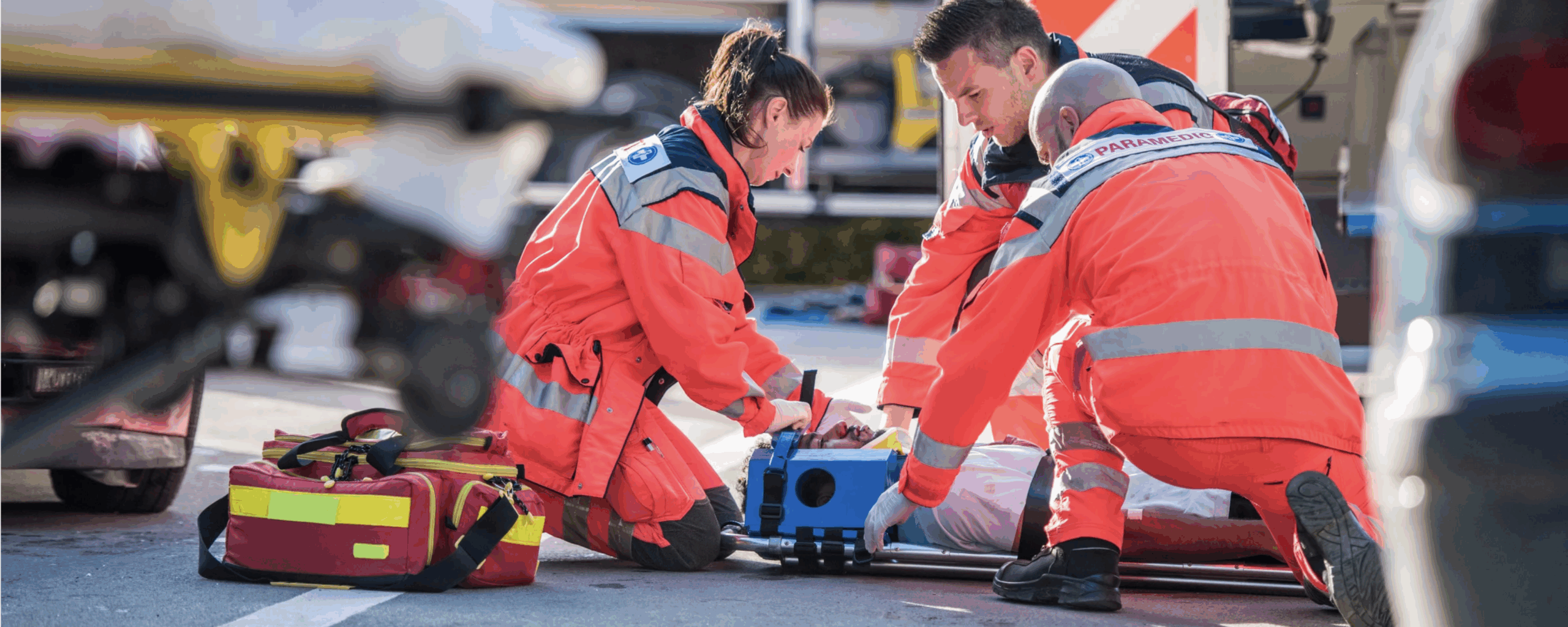
- Paramedics and EMTs face medical trauma, high-stakes decision-making, and emotional exhaustion.
These experiences don’t always fade with time. Instead, they can lead to chronic stress, nightmares, emotional numbing, panic attacks, or a reliance on alcohol or drugs to cope. And because the culture of first response often emphasizes strength and stoicism, many suffer in silence.